




Table of Contents
In the modern manufacturing landscape, ensuring the hermetic integrity of components is not merely a quality control step—it is a critical safeguard against product failure, environmental hazards, and catastrophic financial loss. Whether you are producing lithium batteries for electric vehicles, high-precision HVAC systems, or semiconductor vacuum chambers, the choice of leak detection technology can make or break your operational efficiency.
Among the various methods available, helium gas leak detection stands out as the gold standard due to its unmatched sensitivity and reliability. However, once you invest in a high-quality helium gas leak detector, a pivotal question arises: Should you use the “Sniffing” method or the “Spraying” method?
This comprehensive guide explores the technical nuances, pros, cons, and strategic applications of these two primary helium leak testing techniques to help you determine which fits your specific production line requirements.
The Science Behind Helium as a Tracer Gas
Before diving into the methods, it is essential to understand why helium is the preferred medium for professional leak detection. Helium is an inert, non-toxic, and non-flammable noble gas. Its small atomic size allows it to pass through the smallest microscopic fissures that other gases cannot penetrate.
Furthermore, helium is present in the atmosphere at only 5 parts per million (ppm), providing a very low background level. When paired with a sophisticated helium gas leak detector—essentially a mass spectrometer tuned to the mass-to-charge ratio of helium ions—manufacturers can achieve sensitivity levels as low as 10^-12 mbar·l/s.
Method 1: The Sniffing Method (Local Leak Location)
The “Sniffing” method, often performed using a specialized sniffer leak detector probe, is an “Inside-Out” testing technique.
How it Works
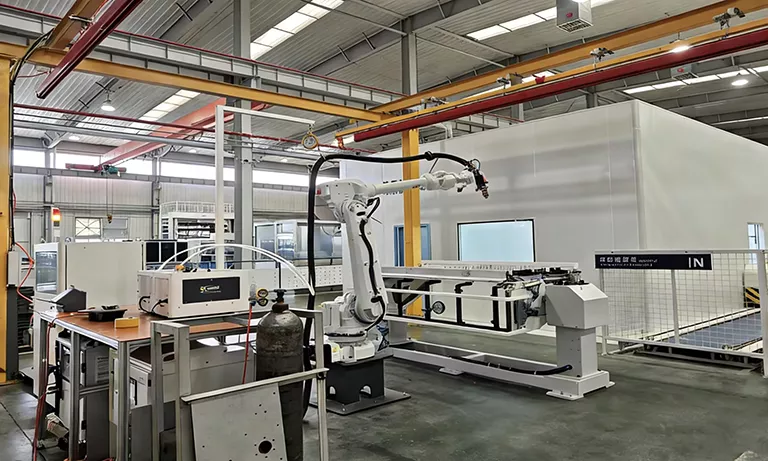
In this setup, the test piece is pressurized with helium or a helium-nitrogen mixture. The operator or a robotic arm then moves a sniffer probe along the exterior of the component, particularly around welds, seals, and joints. The sniffer leak detector draws in the surrounding air. If there is a leak, the probe captures the escaping helium atoms and sends them to the mass spectrometer for analysis.
Key Advantages
- Precise Localization: The primary strength of sniffing is its ability to pinpoint the exact location of a leak. This is invaluable for repair processes on complex assemblies.
- No Vacuum Chamber Required: Since the test is conducted at atmospheric pressure, there is no need for expensive and bulky vacuum chambers.
- Simplicity in Integration: It is relatively easy to integrate into existing manual production lines.
Limitations
- Sensitivity Ceiling: Due to the dilution of helium in the ambient air, sniffing is generally limited to a sensitivity of approximately 10^-7 to 10^-8 mbar·l/s.
- Operator Dependent: If performed manually, the speed of the probe movement and the distance from the surface can significantly affect the results.
- Ambient Contamination: High background levels of helium in the factory can lead to false positives.
Method 2: The Spraying Method (Integral Testing)
The “Spraying” method, or spray method leak testing, is an “Outside-In” technique and is generally considered the more sensitive of the two.
How it Works
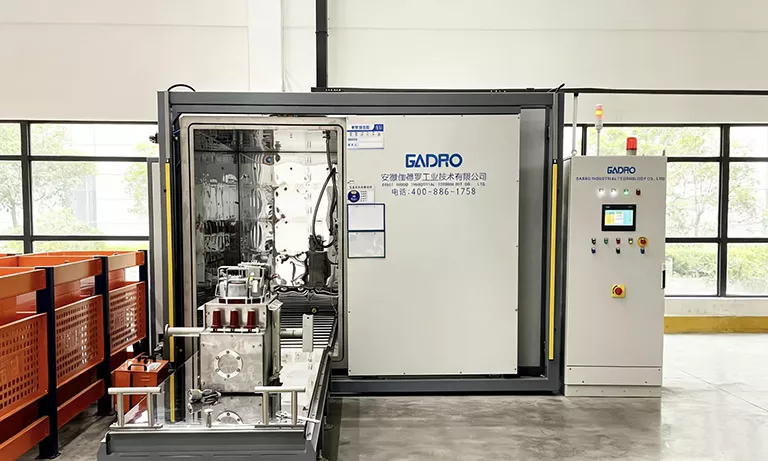
In this configuration, the test piece is connected to the helium gas leak detector and evacuated to a high vacuum state. Once the internal pressure is sufficiently low, helium is sprayed onto the exterior surfaces of the component using a spray gun or by placing the component in a helium-filled enclosure (the “shroud” or “chamber” method). If a leak exists, the vacuum pulls the helium into the component, where it is immediately detected by the mass spectrometer.
Key Advantages
- Extreme Sensitivity: Because the test occurs in a vacuum, background noise is minimized, allowing for the detection of “micro-leaks” down to 10^-12 mbar·l/s.
- Quantifiable Integrity: This method provides a highly accurate “total leak rate” for the entire component, ensuring it meets strict regulatory or safety standards.
- Speed for Mass Production: When automated in a vacuum chamber, the spray method can test components in seconds, making it ideal for high-volume lines.
Limitations
- Equipment Complexity: Requires high-performance vacuum pumps, valves, and often custom-designed fixtures.
- Difficult Localization: While it tells you that there is a leak, it doesn’t always tell you where it is unless the spray is applied very selectively.
Sniffing vs. Spraying: A Comparative Analysis
For engineers and procurement managers, the decision-making process often boils down to four critical factors: Sensitivity, Cycle Time, Component Geometry, and Cost.
| Feature | Sniffing Method | Spraying Method |
| Testing Direction | Inside – Outside | Outside – Inside |
| Max Sensitivity | 10^-7 – 10^-8 mbar·l/s | 10^-10 – 10^-12 mbar·l/s |
| Leak Location | High (Pinpoint) | Low (Total Leak Rate) |
| Equipment Cost | Lower | Higher |
| Best For | Large structures, onsite repair | Small components, ultra-high vacuum parts |
1. Sensitivity Requirements
If your industry standards (e.g., Aerospace or Semiconductor) require a leak rate lower than 10^-8 mbar·l/s, spray method leak testing is your only viable option. If you are testing household appliances or large storage tanks where a tiny seepage is acceptable, a sniffer leak detector provides the most cost-effective solution.
2. Physical Size and Pressure Resistance
Large tanks or pipes that cannot withstand a vacuum must be tested using the sniffing method. Conversely, small, delicate parts like sensors or electronic housings are perfectly suited for vacuum-based spray testing.
3. Production Throughput
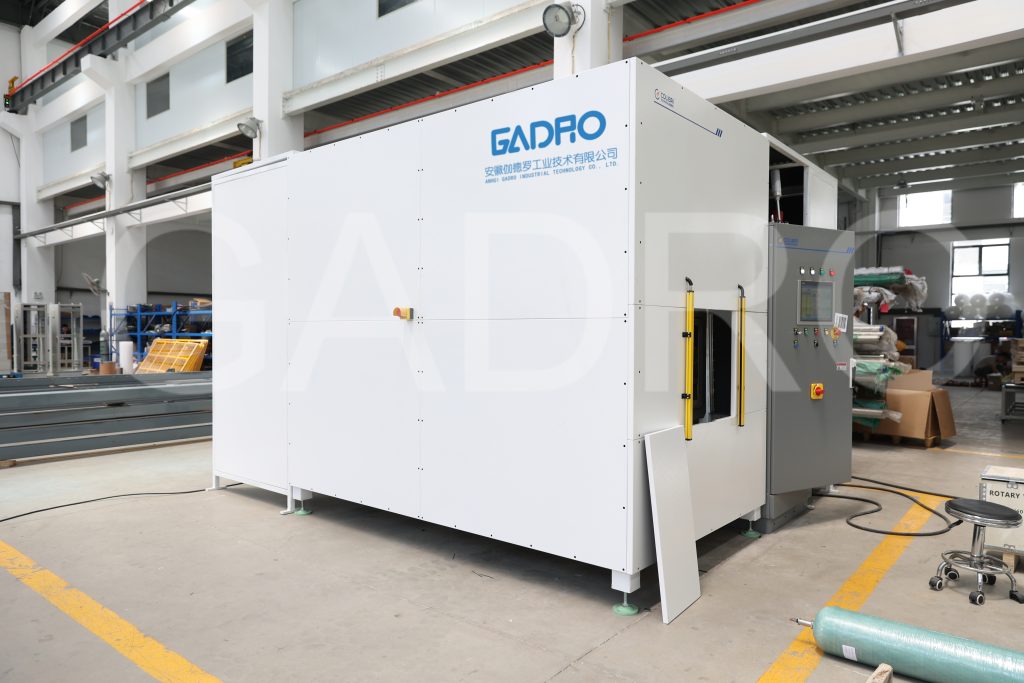
The spray method can be fully automated. Components can be loaded into a chamber, tested, and sorted (Pass/Fail) without human intervention. Sniffing is often slower and harder to automate for complex 3D geometries, although robotic sniffing is gaining traction in the automotive sector.
Industrial Applications: Real-World Scenarios
Automotive Industry (EV Batteries & Fuel Systems)
In the production of EV battery trays, structural integrity is paramount. Many manufacturers use spray method leak testing for the initial validation of the tray’s hermetic seal, followed by a sniffer leak detector to locate specific faults if the integral test fails.
HVAC and Refrigeration
To prevent the leakage of harmful refrigerants, coils and compressors are often pressurized with helium. Operators use sniffing probes to check joints and brazed points, ensuring the longevity of the cooling system.
Semiconductor Manufacturing
For vacuum process chambers, even a nano-leak can ruin a wafer batch. The spray method is used during the assembly of these chambers to ensure they can maintain a ultra-high vacuum environment.
Maximizing Your Investment with Gadro Detection
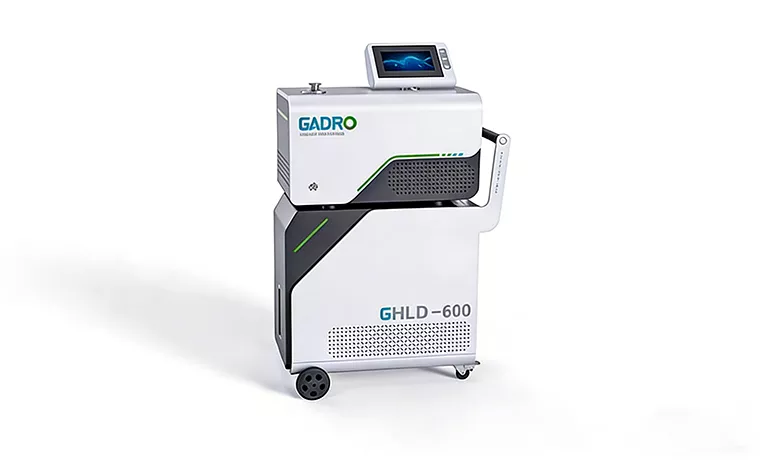
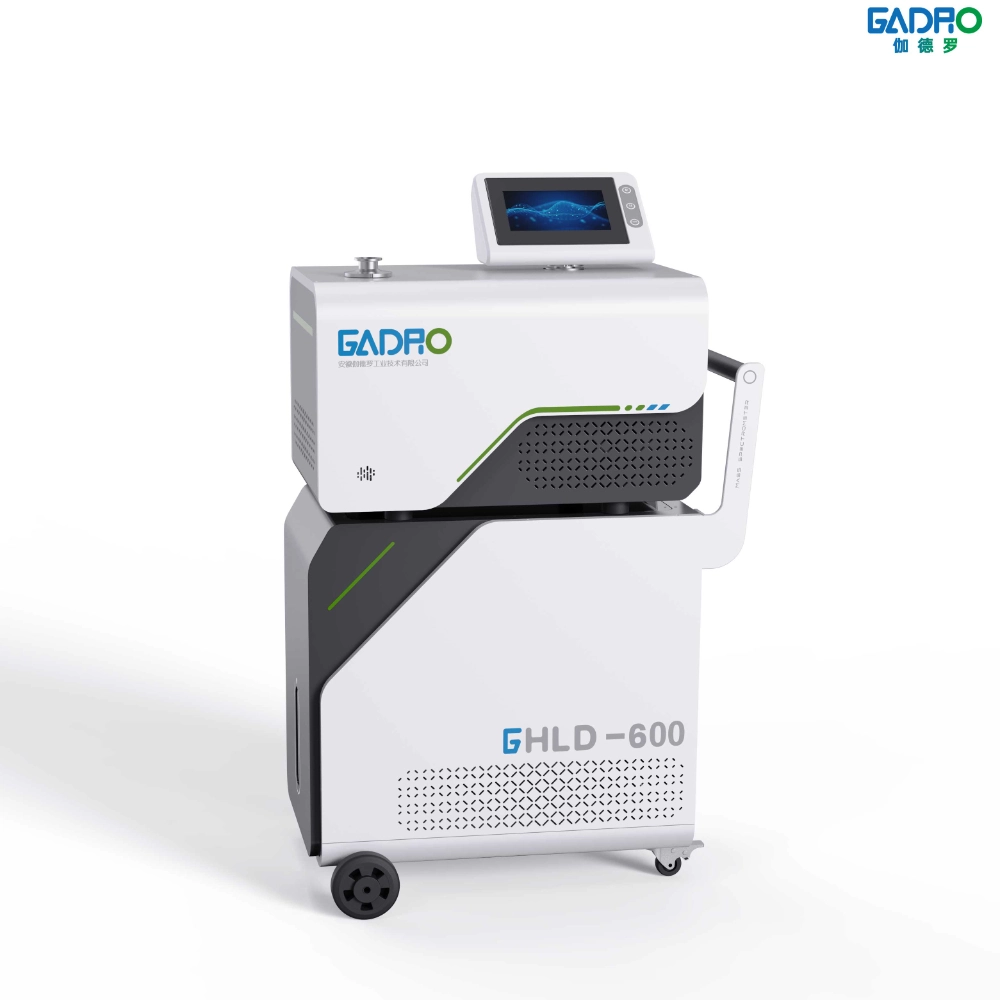
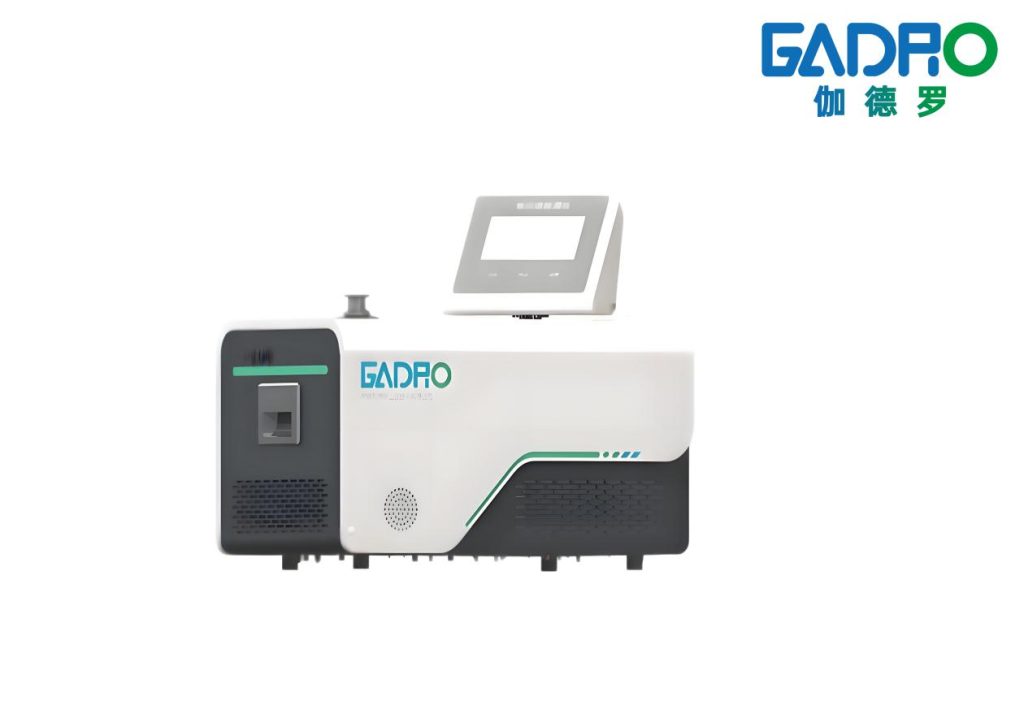
Choosing the right method is only half the battle; choosing the right hardware is the other. Gadro Detection offers a range of high-performance helium gas leak detectors designed for both sniffing and spraying applications.
Our units feature:
- Fast Startup & Response Times: Get to work in minutes, not hours.
- User-Friendly Interfaces: Reduce operator error with intuitive touchscreens.
- Robust Mass Spectrometer Technology: Reliable performance even in demanding industrial environments.
By integrating Gadro’s technology, you ensure that your production line remains compliant with international standards while minimizing downtime caused by faulty components.

Conclusion
The choice between sniffing and spraying depends on your “Acceptable Leak Rate.” If you need to find where the leak is on a large, pressurized object, choose the sniffer leak detector. If you need to prove how tight a component is to the highest possible standard, choose spray method leak testing.
Regardless of the method, helium remains the most effective tool in your arsenal. By understanding these technical distinctions, you can optimize your quality control process, protect your brand reputation, and ensure the safety of your end-users.
FAQ
1. Can a single helium gas leak detector perform both sniffing and spraying?
Yes. Most modern helium gas leak detectors, such as those provided by Gadro, are versatile. You can switch between vacuum mode (for spraying) and sniffer mode by changing the inlet configuration and using a sniffer probe accessory. However, ensure the device’s software is calibrated for the specific flow rates of each method.
2. Why is helium used instead of compressed air for leak testing?
Compressed air or “bubble testing” is only sensitive to about 10^-3 mbar·l/s. Helium atoms are much smaller and can escape through microscopic paths that air cannot. Furthermore, the mass spectrometer in a helium gas leak detector ignores all other gases, providing a clear, unambiguous signal that isn’t confused by moisture or temperature changes.
3. How often should I calibrate my sniffer leak detector?
In a high-volume production environment, calibration should be performed at the start of every shift. Environmental factors like temperature and ambient helium levels can shift the baseline. Using a “Calibrated Leak Standard” (a small bottle with a known, constant leak rate) is the industry-standard way to ensure your sniffer leak detector remains accurate.