



Table des matières
L'essor rapide des véhicules électriques a engendré des exigences sans précédent en matière de gestion thermique. Contrairement aux véhicules thermiques traditionnels, les véhicules électriques dépendent fortement de la régulation de la température des batteries, du refroidissement de l'onduleur et de systèmes de climatisation à haut rendement pour garantir leurs performances et le confort des passagers. Au cœur de ce défi se trouve le condenseur de climatisation, un composant qui doit résister aux variations de pression, aux températures extrêmes, aux vibrations et à une exposition prolongée au fluide frigorigène sans défaillance.
Pour les constructeurs automobiles et les équipementiers de premier rang, même des fuites microscopiques à l'intérieur d'un condenseur de véhicule électrique peuvent entraîner des demandes de garantie, une réduction de l'efficacité du refroidissement, des problèmes de conformité environnementale et des risques pour la sécurité. C'est pourquoi les systèmes modernes test d'étanchéité des systèmes de climatisation automobile elle est devenue bien plus sophistiquée que les méthodes traditionnelles d'inspection par bulles ou de mesure de la chute de pression.
Aujourd'hui, les fabricants s'appuient de plus en plus sur systèmes de détection de fuites d'hélium pour respecter les règles strictes normes SAE et garantir la qualité au niveau de la production.
L'importance croissante de l'étanchéité des systèmes thermiques des véhicules électriques
Les systèmes de climatisation des véhicules électriques ne se contentent pas de rafraîchir les passagers. Dans de nombreuses architectures de véhicules électriques, le système de climatisation contribue également à :
- régulation thermique de la batterie
- Fonctionnement de la pompe à chaleur
- Refroidissement des composants électroniques de puissance
- Optimisation du climat de la cabine
- Gestion de l'efficacité énergétique
L'autonomie des véhicules électriques étant directement liée à l'efficacité du système thermique, une fuite de réfrigérant peut réduire considérablement les performances globales du véhicule.
Les fluides frigorigènes modernes utilisés dans les systèmes des véhicules électriques sont soumis à une réglementation environnementale plus stricte que les générations précédentes. Même de minuscules fuites peuvent entraîner des problèmes de conformité aux politiques environnementales internationales.
De ce fait, les fabricants exigent désormais des technologies de test d'étanchéité très sensibles, capables de détecter les fuites bien en deçà du seuil de détection des systèmes d'inspection traditionnels.
Pourquoi les méthodes traditionnelles de détection d'étanchéité ne suffisent plus
Historiquement, les usines automobiles utilisaient des méthodes telles que :
| Méthode de test d'étanchéité | Principale limitation |
|---|---|
| test des bulles de savon | Impossible de détecter les microfuites |
| essais de dégradation de la pression | Sensible aux fluctuations de température |
| tests d'immersion dans l'eau | Lent et difficile à automatiser |
| Tests de pression d'azote | Sensibilité limitée |
| Inspection par colorant fluorescent | Ne convient pas à la production de masse |
Ces techniques peuvent encore fonctionner pour certaines applications industrielles de faible précision, mais les condensateurs pour véhicules électriques nécessitent un contrôle de qualité nettement plus strict.
Les condensateurs modernes pour véhicules électriques contiennent :
- Canaux d'écoulement plus petits
- structures légères en aluminium
- assemblages brasés complexes
- Circuits de réfrigérant haute pression
De minuscules défauts de fabrication peuvent créer des fuites trop petites pour que les systèmes conventionnels puissent les identifier de manière fiable.
C’est là que les tests à l’hélium deviennent indispensables.
Comment fonctionne la détection des fuites d'hélium
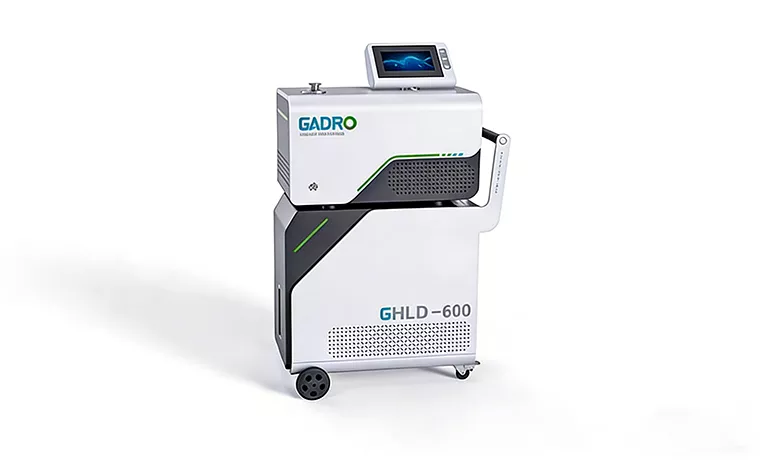
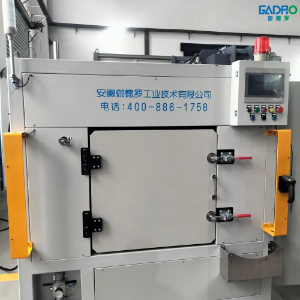
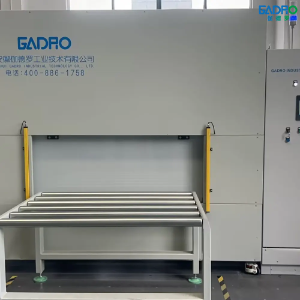
Dans un cas typique détection de fuite d'hélium Lors de ce processus, le condenseur est mis sous pression avec de l'hélium gazeux ou un mélange d'hélium. Un spectromètre de masse détecte ensuite les molécules d'hélium qui s'échappent avec une sensibilité extrêmement élevée.
L'hélium est idéal car il est :
- Inerte et non réactif
- Non toxique
- Extrêmement petit au niveau moléculaire
- Rare dans la concentration de fond atmosphérique
Les molécules d'hélium étant plus petites que les molécules de réfrigérant, les systèmes peuvent détecter les fuites avant qu'elles ne se transforment en pannes opérationnelles réelles.
Comprendre les normes SAE en matière de tests de climatisation pour véhicules électriques
L'industrie automobile suit des règles rigoureuses normes SAE afin de garantir la fiabilité du système thermique, la sécurité environnementale et une qualité de fabrication constante.
Plusieurs exigences liées aux normes SAE influencent les essais d'étanchéité des condenseurs, notamment :
- performance du confinement du réfrigérant
- Résistance à la pression
- durabilité en cycle thermique
- Seuils de taux de fuite
- validation de la qualité de la production
Les constructeurs automobiles établissent souvent des spécifications internes encore plus strictes que les exigences de base de la norme SAE.
Pour les fournisseurs, le respect de ces normes implique :
- Précision des tests reproductibles
- Capacité d'inspection automatisée
- Intégration de production à grande vitesse
- traçabilité numérique
- Enregistrement fiable des données de réussite/échec
Systèmes de spectromètres de masse à hélium sont particulièrement bien placées pour répondre à ces exigences.
Pourquoi les condenseurs des véhicules électriques sont particulièrement vulnérables aux fuites
Les condenseurs pour véhicules électriques sont confrontés simultanément à de multiples défis d'ingénierie.
1. Exigences de conception légère
Les fabricants réduisent constamment le poids des composants pour améliorer l'autonomie. Les structures en aluminium plus fines augmentent leur sensibilité à :
- Microfissures
- Défauts de brasage
- fatigue des matériaux
2. Pression de service élevée
Les fluides frigorigènes modernes fonctionnent souvent à des pressions plus élevées que les systèmes plus anciens. De petites imperfections peuvent se dilater au fil du temps lors des cycles thermiques.
3. Exposition aux vibrations
Les plateformes de véhicules électriques génèrent des schémas de vibration différents de ceux des véhicules à combustion en raison de :
- Délivrance instantanée du couple
- répartition de la masse des blocs-batteries
- Comportement au freinage régénératif
Des contraintes répétées peuvent progressivement agrandir les fuites microscopiques.
4. Cycles de dilatation thermique
L'intégration du système de refroidissement des batteries soumet les condenseurs à des variations de température plus importantes. Les cycles répétés de dilatation et de contraction accélèrent la dégradation des joints.
En raison de ces facteurs, les fabricants ne peuvent pas se fier à des méthodes d'inspection peu sensibles.
Avantages de la détection des fuites d'hélium pour la production automobile
Sensibilité exceptionnelle
Le principal avantage des systèmes à hélium réside dans leur capacité à détecter des fuites extrêmement petites avant la fin de l'assemblage.
Cela aide les fabricants :
- Prévenir les défaillances sous garantie
- Réduire les rappels sur le terrain
- Améliorer la fiabilité des véhicules
- Protéger la réputation de la marque
Tests de lignes de production plus rapides
La fabrication moderne de véhicules électriques exige un débit élevé. Les systèmes à hélium peuvent effectuer des tests en quelques secondes tout en conservant une précision optimale.
Comparativement aux méthodes d'immersion plus lentes ou de décroissance de la pression, les systèmes à hélium permettent :
- Automatisation en ligne
- manutention robotisée
- Surveillance de la qualité en temps réel
- efficacité de production à grand volume
Cela les rend idéaux pour la fabrication à grande échelle de condenseurs pour véhicules électriques.
Répétabilité améliorée
Un défi majeur dans test d'étanchéité des systèmes de climatisation automobile assure la cohérence de milliers de composants chaque jour.
Les systèmes de spectrométrie de masse à hélium fournissent :
- Seuils de détection stables
- Faible dépendance à l'opérateur
- étalonnage automatisé
- Cohérence des mesures numériques
Cette reproductibilité est essentielle pour les chaînes d'approvisionnement automobiles mondiales.
Meilleure traçabilité et gestion des données
Les usines modernes utilisent de plus en plus les systèmes de production de l'Industrie 4.0.
Les équipements de test à l'hélium peuvent s'intégrer avec :
- Plateformes MES
- systèmes de suivi par code-barres
- Analyse de la qualité SPC
- Logiciel de reporting automatisé
Cela permet une traçabilité complète de la production pour chaque condenseur testé.
Tests en chambre à vide vs tests avec détecteur de odeur
Les fabricants choisissent généralement entre deux méthodes d'inspection à l'hélium.
| Méthode | Cas d'utilisation optimal |
|---|---|
| essais en chambre à vide | Tests de production de haute précision |
| Tests de renifleur | Localisation et réparation des fuites |
Essais en chambre à vide
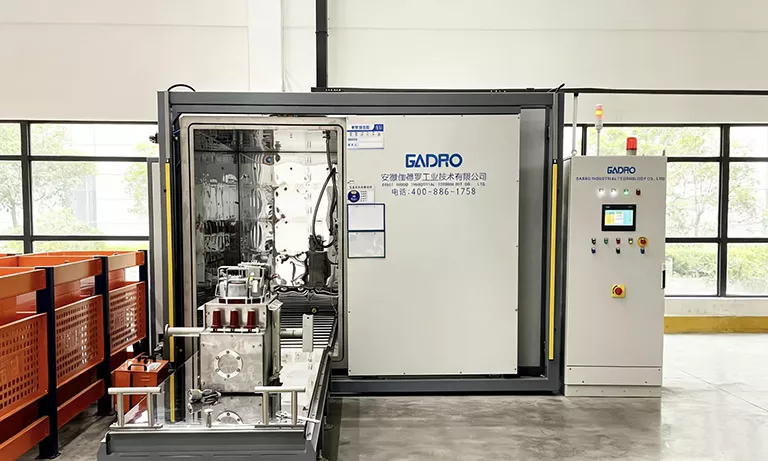
Dans cette méthode, le condenseur est placé à l'intérieur d'une chambre étanche. L'hélium qui s'échappe est mesuré sous vide.
Les avantages comprennent :
- Sensibilité extrêmement élevée
- fonctionnement entièrement automatisé
- Excellente répétabilité
- Idéal pour la production de masse
La plupart des usines de condensateurs pour véhicules électriques privilégient cette méthode.
Tests de renifleur
Les sondes renifleurs détectent l'hélium s'échappant de zones spécifiques.
Les avantages comprennent :
- Utile pour l'entretien
- Idéal pour localiser les défauts
- Capacité d'inspection flexible
Cependant, les systèmes de détection par renifleur sont généralement moins sensibles que les méthodes à chambre à vide.
Conformité environnementale et réglementation sur les fluides frigorigènes
La réglementation environnementale mondiale continue de se durcir en ce qui concerne les émissions de fluides frigorigènes.
Les gouvernements et les organismes de réglementation se concentrent de plus en plus sur :
- réduction des gaz à effet de serre
- confinement du réfrigérant
- fabrication durable
- contrôle des émissions tout au long du cycle de vie
Étant donné que les constructeurs de véhicules électriques mettent en avant le développement durable comme une valeur fondamentale de leur marque, il est essentiel d'empêcher les fuites de réfrigérant.
Les systèmes à base d'hélium aident les entreprises :
- Réduire le gaspillage de réfrigérant
- Améliorer la conformité environnementale
- Soutenir les objectifs de développement durable
- Minimiser les passifs liés au carbone
C’est une autre raison pour laquelle la technologie à l’hélium devient rapidement la norme industrielle.
Le rôle de l'automatisation dans les tests d'étanchéité des véhicules électriques
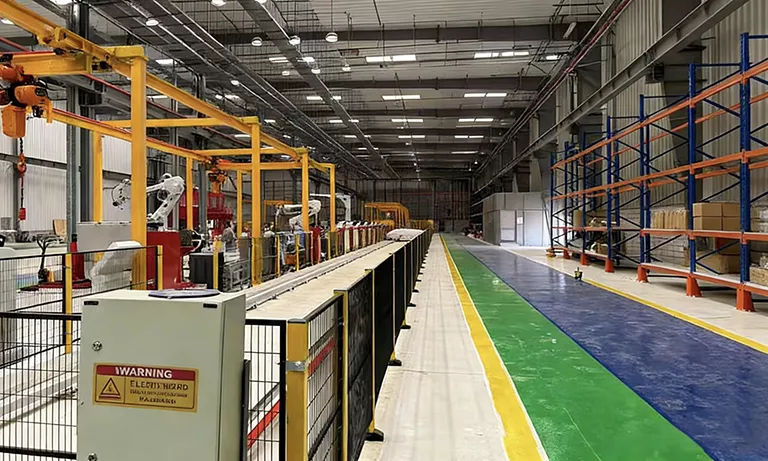
Les usines modernes de véhicules électriques privilégient l'automatisation intelligente.
Les systèmes de détection de fuites d'hélium de pointe intègrent désormais :
- Systèmes de chargement robotisés
- Cycles de vide automatisés
- Analyse des défauts basée sur l'IA
- Gestion intelligente de l'étalonnage
- diagnostic à distance
Ces capacités améliorent :
- Temps de fonctionnement de l'usine
- efficacité du travail
- constance de la qualité
- Évolutivité de la production
Avec la hausse continue des volumes de production de véhicules électriques dans le monde, les systèmes d'inspection compatibles avec l'automatisation deviennent de plus en plus importants.
Réduction des coûts grâce à la détection précoce des fuites
Bien que les systèmes à hélium nécessitent un investissement initial plus élevé que les équipements de test de base, ils permettent souvent de réduire les coûts d'exploitation totaux sur le long terme.
La détection précoce des fuites aide les fabricants à éviter :
- Rappels coûteux
- Reprise du réfrigérant
- Perturbations des chaînes de montage
- réclamations de garantie
- Insatisfaction des clients
Les avantages financiers à long terme surpassent souvent le coût initial de l'équipement.
Dans les environnements de production de véhicules électriques à grand volume, même une petite réduction du taux de défauts non détectés peut générer des économies substantielles.
Tendances futures en matière de tests de condensateurs pour véhicules électriques
Plusieurs tendances façonnent l'avenir du contrôle qualité des condenseurs :
Exigences de sensibilité plus élevées
À mesure que les systèmes de réfrigération deviennent plus compacts, les seuils de fuite acceptables continuent de diminuer.
Cycles de test plus rapides
La production de véhicules électriques de type Gigafactory exige des cadences de production plus courtes sans sacrifier la précision.
Intégration de l'usine intelligente
Les systèmes de détection d'étanchéité communiquent de plus en plus avec des plateformes d'analyse de production centralisées.
L'hydrogène et les fluides frigorigènes de nouvelle génération
Les futurs systèmes de refroidissement pourraient faire appel à de nouveaux fluides frigorigènes ou à des architectures thermiques nécessitant un contrôle des fuites encore plus strict.
Ces évolutions devraient vraisemblablement accroître la dépendance aux technologies de spectrométrie de masse à hélium.
Choisir le bon système de détection des fuites d'hélium
Lors de la sélection d'un solution de détection des fuitesLes fabricants devraient évaluer :
| Facteur de sélection | Pourquoi c'est important |
|---|---|
| sensibilité de détection | Détermine la capacité de micro-fuite |
| Temps de cycle | Impact sur la vitesse de production |
| Compatibilité avec l'automatisation | Soutient la fabrication intelligente |
| Stabilité de l'étalonnage | Garantit la répétabilité |
| exigences de maintenance | Influe sur les coûts d'exploitation |
| Intégration des données | Permet la traçabilité |
Les meilleurs systèmes offrent un équilibre entre sensibilité, débit, fiabilité et capacité d'intégration.
Conclusion
À mesure que les véhicules électriques deviennent plus sophistiqués, les exigences en matière de fiabilité des systèmes de gestion thermique augmentent. Les condenseurs des véhicules électriques fonctionnent dans des conditions extrêmes où même des fuites microscopiques peuvent compromettre leurs performances, leur efficacité et leur conformité réglementaire.
Les méthodes d'inspection traditionnelles n'offrent plus la sensibilité ni la cohérence nécessaires à la fabrication moderne des véhicules électriques. Voici pourquoi. détection de fuite d'hélium est devenu essentiel pour répondre aux exigences strictes normes SAE et prenant en charge la haute précision test d'étanchéité des systèmes de climatisation automobile processus.
En permettant une détection ultra-sensible, une intégration automatisée de la production et une assurance qualité fiable, les systèmes de spectromètres de masse à hélium aident les fabricants à réduire les pannes, à améliorer la durabilité et à maintenir des normes de production de véhicules électriques compétitives.
À mesure que l'industrie automobile évolue vers des usines plus intelligentes et des réglementations environnementales plus strictes, test d'étanchéité à l'hélium restera une technologie fondamentale pour la fabrication des condenseurs de véhicules électriques.
FAQ
1. Pourquoi préfère-t-on l'hélium à l'azote pour les tests d'étanchéité des condenseurs de véhicules électriques ?
Les molécules d'hélium sont beaucoup plus petites et plus faciles à détecter par spectrométrie de masse, ce qui permet aux fabricants d'identifier des fuites extrêmement petites que les tests à l'azote pourraient manquer.
2. Quelle sensibilité au taux de fuite est généralement requise pour les condenseurs de climatisation des véhicules électriques ?
De nombreuses applications automobiles nécessitent une sensibilité de détection dans la gamme des micro-fuites, souvent bien inférieure à la capacité des systèmes traditionnels de détection de la chute de pression.
3. Les détecteurs de fuites d'hélium conviennent-ils aux lignes de production de véhicules électriques entièrement automatisées ?
Oui. Les systèmes modernes de détection des fuites d'hélium sont largement intégrés dans les environnements de fabrication automatisés avec manutention robotisée, connectivité MES et surveillance de la qualité en temps réel.