



Оглавление
Стремительный рост числа электромобилей предъявил беспрецедентные требования к системам терморегулирования. В отличие от традиционных автомобилей с двигателями внутреннего сгорания, электромобили в значительной степени полагаются на регулирование температуры батареи, охлаждение инвертора и высокоэффективные системы кондиционирования воздуха для поддержания производительности автомобиля и комфорта пассажиров. В основе этой задачи лежит конденсатор кондиционера — компонент, который должен выдерживать колебания давления, экстремальные температуры, вибрацию и длительное воздействие хладагента без выхода из строя.
Для автопроизводителей и поставщиков первого уровня даже микроскопические утечки внутри конденсатора электромобиля могут привести к гарантийным случаям, снижению эффективности охлаждения, проблемам с соблюдением экологических норм и вопросам безопасности. Именно поэтому современные Проверка герметичности автомобильных кондиционеров Эта технология стала гораздо более совершенной, чем традиционные методы контроля образования пузырьков или снижения давления.
Сегодня производители все больше полагаются на Системы обнаружения утечек гелия соответствовать строгим требованиям стандарты SAE и обеспечить контроль качества на уровне производства.
Растущая важность герметичности тепловых систем электромобилей
Системы кондиционирования воздуха в электромобилях выполняют не только функцию охлаждения пассажиров. Во многих конструкциях электромобилей система отопления, вентиляции и кондиционирования воздуха также способствует:
- терморегулирование батареи
- работа теплового насоса
- Охлаждение силовой электроники
- Оптимизация микроклимата в салоне
- Управление энергоэффективностью
Поскольку запас хода электромобиля напрямую зависит от эффективности тепловой системы, утечка хладагента может значительно снизить общую производительность автомобиля.
Современные хладагенты, используемые в системах электромобилей, также подвергаются более жесткому экологическому регулированию, чем предыдущие поколения. Даже незначительные утечки могут привести к проблемам с соблюдением требований глобальной экологической политики.
В результате производители теперь нуждаются в высокочувствительных технологиях проверки герметичности, способных обнаруживать утечки, значительно меньшие, чем те, которые видны традиционным системам контроля.
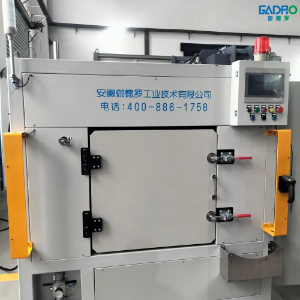
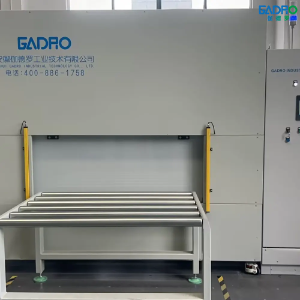
Почему традиционных методов проверки на герметичность больше недостаточно.
Исторически автомобильные заводы использовали такие методы, как:
| Метод проверки на герметичность | Основное ограничение |
|---|---|
| Тестирование мыльных пузырей | Не удается обнаружить микроутечки |
| испытания на снижение давления | Чувствителен к колебаниям температуры |
| Испытание на погружение в воду | Медленно и сложно автоматизировать. |
| Испытание давлением азота | Ограниченная чувствительность |
| контроль с помощью флуоресцентных красителей | Не подходит для массового производства. |
Эти методы могут по-прежнему работать в некоторых низкоточных промышленных приложениях, но конденсаторы электромобилей требуют значительно более строгого контроля качества.
Современные конденсаторы электромобилей содержат:
- Более мелкие каналы потока
- Легкие алюминиевые конструкции
- Сложные паяные соединения
- Транзисторы хладагента высокого давления
Мелкие производственные дефекты могут создавать утечки, слишком незначительные для того, чтобы их можно было стабильно выявлять с помощью обычных систем.
Именно здесь тестирование с использованием гелия становится незаменимым.
Как работает обнаружение утечек гелия
В типичном обнаружение утечки гелия В процессе конденсации конденсатор заполняется гелием или смесью гелия под давлением. Затем масс-спектрометр с чрезвычайно высокой чувствительностью регистрирует выходящие молекулы гелия.
Гелий идеален, потому что он:
- Инертные и нереактивные
- Нетоксичный
- Чрезвычайно малы на молекулярном уровне
- Редкий в атмосферной фоновой концентрации
Поскольку молекулы гелия меньше молекул хладагента, системы могут обнаруживать утечки до того, как они приведут к реальным сбоям в работе.
Понимание стандартов SAE в тестировании электромобилей на переменный ток
Автомобильная промышленность придерживается строгих правил. стандарты SAE для обеспечения надежности тепловой системы, экологической безопасности и стабильного качества производства.
На проверку герметичности конденсатора влияют несколько требований, связанных со стандартами SAE, в том числе:
- Характеристики герметичности хладагента
- стойкость к давлению
- Устойчивость к термическим циклам
- Пороговые значения скорости утечки
- Проверка качества продукции
Производители автомобилей часто устанавливают еще более строгие внутренние спецификации, выходящие за рамки базовых требований SAE.
Для поставщиков соответствие этим стандартам требует:
- Воспроизводимая точность испытаний
- Возможность автоматизированной проверки
- Высокоскоростная интеграция производства
- Цифровая отслеживаемость
- Надежная регистрация данных о прохождении/непрохождении теста.
системы масс-спектрометрии гелия Они идеально подходят для удовлетворения этих требований.
Почему конденсаторы электромобилей особенно уязвимы к утечкам
В разработке конденсаторов для электромобилей одновременно возникает множество инженерных проблем.
1. Требования к облегченной конструкции
Производители постоянно снижают вес компонентов для увеличения дальности хода. Более тонкие алюминиевые конструкции повышают восприимчивость к:
- Микротрещины
- Дефекты пайки
- Усталость материала
2. Высокое рабочее давление
Современные хладагенты часто работают при более высоком давлении, чем в старых системах. Небольшие дефекты могут со временем расширяться в процессе термических циклов.
3. Воздействие вибрации
Платформы электромобилей генерируют иные вибрационные паттерны по сравнению с автомобилями с двигателями внутреннего сгорания по следующим причинам:
- Мгновенная подача крутящего момента
- распределение массы аккумуляторного блока
- Рекуперативное торможение
Повторяющиеся нагрузки могут постепенно увеличивать микроскопические протечки.
4. Циклы термического расширения
Интеграция системы охлаждения батареи приводит к тому, что конденсаторы подвергаются более значительным колебаниям температуры. Многократное расширение и сжатие ускоряют износ уплотнений.
Вследствие этих факторов производители не могут полагаться на методы контроля с низкой чувствительностью.
Преимущества обнаружения утечек гелия в автомобильном производстве
Исключительная чувствительность
Главное преимущество гелиевых систем заключается в их способности обнаруживать крайне малые утечки до завершения сборки.
Это помогает производителям:
- Предотвратите неисправность гарантийного случая.
- Сократить количество отзывов продукции с рынка.
- Повышение надежности транспортных средств
- Защита репутации бренда
Ускоренное тестирование производственной линии
Современное производство электромобилей требует высокой производительности. Системы на основе гелия позволяют проводить испытания за считанные секунды, сохраняя при этом высокую точность.
По сравнению с более медленными методами погружения или снижения давления, гелиевые системы обеспечивают:
- Встроенная автоматизация
- Роботизированная обработка
- Мониторинг качества в режиме реального времени
- Высокая эффективность серийного производства
Это делает их идеальными для крупномасштабного производства конденсаторов для электромобилей.
Улучшенная воспроизводимость
Одна из главных проблем в Проверка герметичности автомобильных кондиционеров обеспечивает поддержание согласованности работы тысяч компонентов ежедневно.
Гелиевые масс-спектрометрические системы обеспечивают:
- Стабильные пороги обнаружения
- Низкая зависимость от оператора
- Автоматическая калибровка
- Согласованность цифровых измерений
Такая повторяемость имеет решающее значение для глобальных цепочек поставок в автомобильной промышленности.
Улучшенная отслеживаемость и управление данными.
Современные заводы все чаще используют производственные системы Индустрии 4.0.
Оборудование для проверки уровня гелия может интегрироваться со следующими устройствами:
- платформы MES
- системы отслеживания штрих-кодов
- Анализ качества SPC
- Программное обеспечение для автоматизированной отчетности
Это обеспечивает полную прослеживаемость производства для каждого протестированного конденсатора.
Испытания в вакуумной камере против испытаний с помощью газоанализатора.
Производители обычно выбирают один из двух методов контроля с помощью гелия.
| Метод | Наилучший вариант использования |
|---|---|
| Испытания в вакуумной камере | Высокоточные производственные испытания |
| Тестирование с помощью нюхательного прибора | Локализация и устранение утечек |
Испытания в вакуумной камере
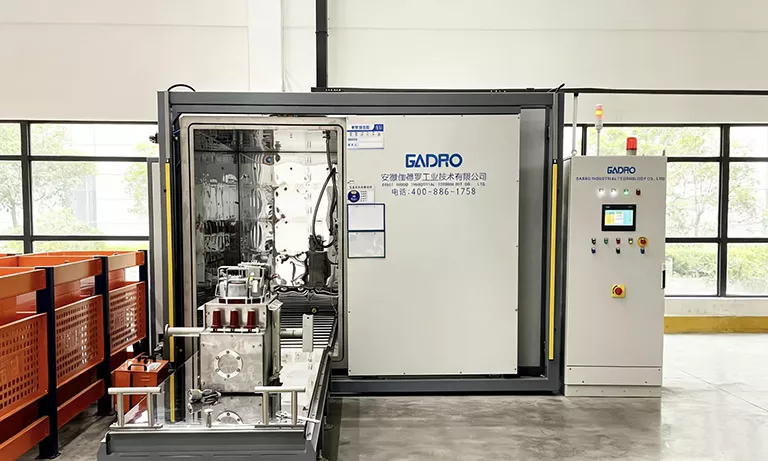
В этом методе конденсатор помещается внутрь герметичной камеры. Выделяющийся гелий измеряется в условиях вакуума.
К преимуществам относятся:
- Чрезвычайно высокая чувствительность
- Полностью автоматизированная работа
- Отличная воспроизводимость
- Идеально подходит для массового производства.
Большинство заводов по производству конденсаторов для электромобилей предпочитают этот метод.
Тестирование с помощью нюхательного прибора
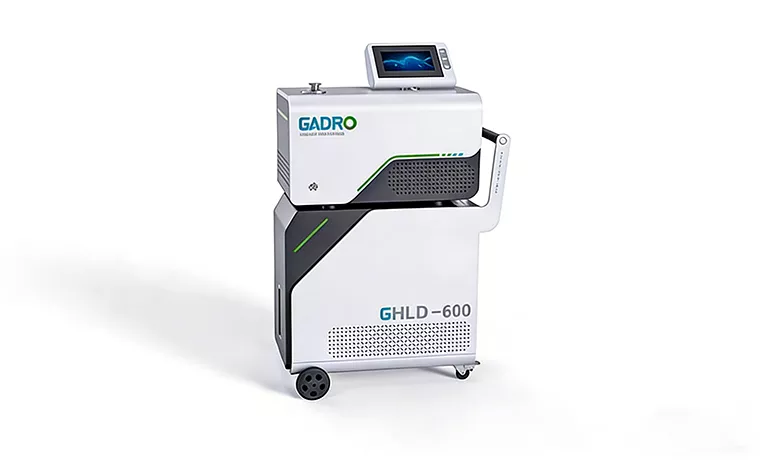
Датчики-детекторы обнаруживают утечку гелия из определенных областей.
К преимуществам относятся:
- Полезно для технического обслуживания
- Идеально подходит для точного определения дефектов.
- Гибкие возможности проведения инспекций
Однако, как правило, системы обнаружения запахов менее чувствительны, чем методы с использованием вакуумных камер.
Экологические нормы и правила обращения с хладагентами
Глобальные экологические нормы продолжают ужесточаться в отношении выбросов хладагентов.
Правительства и регулирующие органы все чаще сосредотачиваются на следующих аспектах:
- сокращение выбросов парниковых газов
- Герметизация хладагента
- Устойчивое производство
- контроль выбросов на протяжении всего жизненного цикла
Поскольку производители электромобилей позиционируют экологичность как одну из основных ценностей своего бренда, предотвращение утечек хладагента имеет решающее значение.
Системы на основе гелия помогают компаниям:
- Сократить расход хладагента
- Улучшение соблюдения экологических норм
- Поддерживайте цели устойчивого развития
- Минимизировать обязательства, связанные с выбросами углерода.
Это еще одна причина, по которой технология с использованием гелия быстро становится отраслевым стандартом.
Роль автоматизации в проверке электромобилей на герметичность
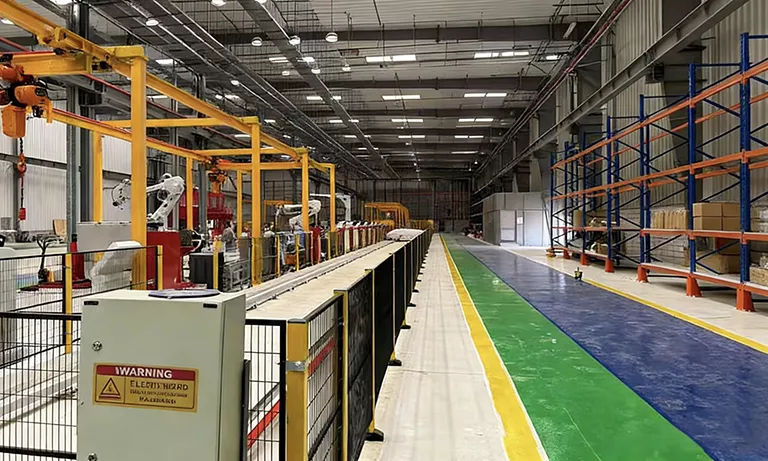
Современные заводы по производству электромобилей отдают приоритет интеллектуальной автоматизации.
В современных системах утечки гелия теперь используются следующие компоненты:
- Роботизированные системы погрузки
- Автоматизированные циклы вакуумирования
- Анализ дефектов на основе ИИ
- Интеллектуальное управление калибровкой
- Удалённая диагностика
Эти возможности улучшают:
- Время безотказной работы завода
- эффективность труда
- Стабильность качества
- Масштабируемость производства
Поскольку объемы производства электромобилей во всем мире продолжают расти, системы контроля качества, совместимые с системами автоматизации, приобретают все большее значение.
Экономия средств за счет раннего обнаружения утечек
Хотя системы, использующие гелий, требуют больших первоначальных инвестиций, чем базовое испытательное оборудование, они часто обеспечивают более низкие общие эксплуатационные расходы в долгосрочной перспективе.
Своевременное выявление утечек помогает производителям избежать:
- Дорогостоящие отзывы продукции
- Переработка хладагента
- Сбои на сборочной линии
- Претензии по гарантии
- Неудовлетворенность клиентов
Долгосрочные финансовые выгоды часто перевешивают первоначальные затраты на оборудование.
В условиях крупномасштабного производства электромобилей даже небольшое снижение количества брака может привести к существенной экономии.
Тенденции будущего в тестировании конденсаторов электромобилей
Будущее контроля качества конденсаторов определяется несколькими тенденциями:
Повышенные требования к чувствительности
По мере того как холодильные системы становятся все более компактными, допустимые пороговые значения утечек продолжают снижаться.
Ускоренные циклы тестирования
Производство электромобилей по типу гигафабрики требует более короткого тактового времени без ущерба для точности.
Интеграция в интеллектуальную фабрику
Системы проверки герметичности все чаще взаимодействуют с централизованными платформами производственной аналитики.
Водород и хладагенты нового поколения
В будущих системах охлаждения могут использоваться новые хладагенты или тепловые конструкции, требующие еще более строгого контроля утечек.
Эти разработки, вероятно, приведут к увеличению зависимости от технологий гелиевых масс-спектрометров.
Выбор правильной системы обнаружения утечек гелия
При выборе решение для обнаружения утечекПроизводителям следует провести оценку:
| Фактор отбора | Почему это важно |
|---|---|
| Чувствительность обнаружения | Определяет способность к микроутечкам |
| Время цикла | Влияет на скорость производства |
| Совместимость с автоматизацией | Поддерживает интеллектуальное производство |
| Стабильность калибровки | Обеспечивает повторяемость |
| Требования к техническому обслуживанию | Влияет на операционные расходы |
| Интеграция данных | Обеспечивает отслеживаемость |
Наилучшие системы обеспечивают баланс между чувствительностью, пропускной способностью, надежностью и возможностями интеграции.
Заключение
По мере совершенствования электромобилей требования к надежности систем терморегулирования постоянно растут. Конденсаторы электромобилей работают в сложных условиях, где даже микроскопические утечки могут поставить под угрозу производительность, эффективность и соответствие нормативным требованиям.
Традиционные методы контроля качества больше не обеспечивают чувствительность и стабильность, необходимые для современного производства электромобилей. Именно поэтому обнаружение утечки гелия стало необходимым для выполнения строгих требований. стандарты SAE и поддержка высокой точности Проверка герметичности автомобильных кондиционеров процессы.
Благодаря сверхчувствительному обнаружению, автоматизированной интеграции в производство и надежному контролю качества, системы гелиевых масс-спектрометров помогают производителям сократить количество отказов, повысить экологичность и поддерживать конкурентоспособные стандарты производства электромобилей.
По мере того, как автомобильная промышленность переходит к более интеллектуальным заводам и ужесточает экологические нормы, проверка герметичности на основе гелия останется основополагающей технологией для производства конденсаторов для электромобилей.
Часто задаваемые вопросы
1. Почему для проверки герметичности конденсатора электромобиля предпочтительнее использовать гелий, а не азот?
Молекулы гелия намного меньше и их легче обнаружить с помощью масс-спектрометров, что позволяет производителям выявлять крайне мелкие утечки, которые могут быть пропущены при проведении азотных испытаний.
2. Какая чувствительность к скорости утечки обычно требуется для конденсаторов кондиционеров электромобилей?
Во многих автомобильных приложениях требуется чувствительность обнаружения в диапазоне микроутечек, что зачастую значительно ниже возможностей традиционных систем обнаружения снижения давления.
3. Подходят ли гелиевые детекторы утечек для полностью автоматизированных линий по производству электромобилей?
Да. Современные системы обнаружения утечек гелия широко интегрированы в автоматизированные производственные среды с роботизированной обработкой, подключением к MES-системам и мониторингом качества в режиме реального времени.