



Table of Contents
As modern power grids continue to expand, utilities and industrial facilities increasingly rely on Gas Insulated Switchgear (GIS) systems to ensure compact design, operational safety, and long-term reliability. However, even minor gas leakage can compromise insulation performance, increase operational costs, and create environmental concerns. This is why advanced GIS leak detection technologies have become a critical part of power equipment maintenance strategies worldwide.
Among the available testing technologies, helium mass spectrometer leak detection has emerged as one of the most accurate and efficient methods for identifying leaks in SF6 GIS systems. Compared with traditional soap bubble testing or ultrasonic inspection, helium-based methods deliver significantly higher sensitivity, faster response times, and better quantitative analysis capabilities for both factory and on-site leak detection applications.
Understanding SF6 GIS Systems
SF6 Gas Insulated Switchgear uses sulfur hexafluoride gas as an insulating and arc-quenching medium. GIS equipment is widely installed in:
- Power substations
- Renewable energy plants
- Offshore wind farms
- Industrial electrical distribution systems
- Urban underground substations
The popularity of GIS systems comes from several advantages:
| Advantage | Description |
|---|---|
| Compact Design | Requires less installation space |
| High Reliability | Stable operation in harsh environments |
| Low Maintenance | Reduced routine servicing needs |
| Safety Performance | Fully enclosed electrical components |
| Weather Resistance | Excellent performance outdoors |
Despite these benefits, SF6 gas leakage remains one of the biggest operational risks.
Why GIS Leak Detection Matters
SF6 gas has excellent insulation characteristics, but it is also a potent greenhouse gas. Even small leaks can create major operational and environmental problems.
Operational Risks
Leaks may cause:
- Reduced insulation strength
- Partial discharge risks
- Equipment overheating
- Arc flash hazards
- Unexpected shutdowns
- Increased gas replenishment costs
Environmental Impact
SF6 possesses an extremely high global warming potential (GWP), making leakage prevention a priority for utilities and regulators.
As environmental regulations become stricter, utilities now require more precise and documented GIS leak detection procedures during both commissioning and routine maintenance.
Traditional Leak Detection Methods and Their Limitations
Several conventional methods are still used in the field, but each has limitations.
Soap Bubble Inspection
This basic method visually identifies gas escaping from fittings or welds.
Limitations
- Cannot detect micro leaks
- Labor intensive
- Poor quantitative capability
- Difficult in inaccessible areas
Ultrasonic Leak Detection
Ultrasonic tools identify sound generated by gas escaping under pressure.
Limitations
- Sensitive to environmental noise
- Limited accuracy for very small leaks
- Operator experience dependent
SF6 Sniffer Detectors
These devices directly detect SF6 concentration around suspected leak points.
Limitations
- Lower sensitivity than helium systems
- Slower scanning speed
- Potential contamination interference
Because of these limitations, many utilities are transitioning toward helium mass spectrometer systems for high-precision testing.
What Is Helium Mass Spectrometer Leak Detection?
Helium mass spectrometer leak detection is a highly sensitive testing technology that uses helium as a tracer gas to identify leaks in sealed systems.
The process generally involves:
- Filling or pressurizing the system with helium
- Using a mass spectrometer detector to identify escaping helium molecules
- Quantifying leak rates with high precision
Since helium molecules are extremely small and inert, they can pass through microscopic leak paths that other gases may not reveal.
Why Helium Is Ideal for GIS Leak Detection
Helium offers several technical advantages over direct SF6 detection methods.
| Property | Benefit |
|---|---|
| Inert Gas | Safe for equipment |
| Non-toxic | Safe for operators |
| Small Molecular Size | Detects micro leaks |
| Low Atmospheric Concentration | Minimal background interference |
| Fast Diffusion | Rapid test response |
These characteristics make helium especially effective for both factory and on-site leak detection of GIS systems.
How Helium Mass Spectrometer Testing Works for GIS Systems
There are several testing approaches depending on the application scenario.
Vacuum Method
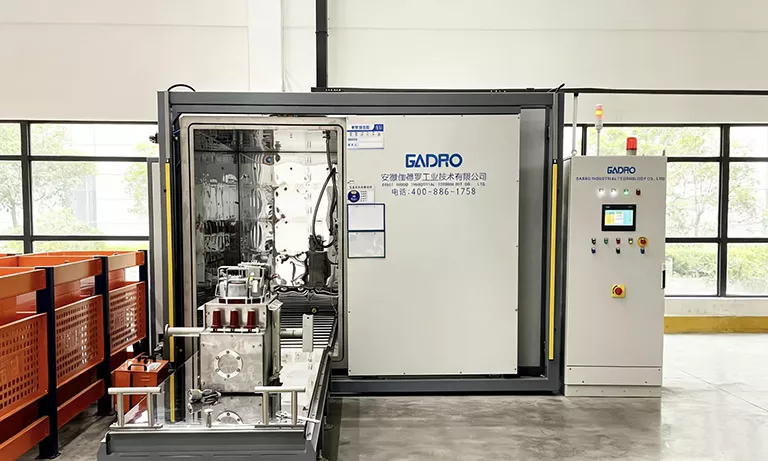
The GIS chamber is evacuated, and helium is sprayed externally around welds and seals.
Advantages
- Extremely high sensitivity
- Ideal for factory acceptance testing
- Accurate quantitative results
Typical Applications
- New GIS manufacturing
- Component validation
- Weld inspection
Sniffer Method
Helium is introduced into the GIS system under pressure, and operators use a sniffer probe externally.
Advantages
- Suitable for installed equipment
- Portable operation
- Fast inspection process
Typical Applications
- Utility substations
- Routine power equipment maintenance
- On-site leak detection
Accumulation Method
Helium leaking from the system accumulates within an enclosed testing area before measurement.
Advantages
- Useful for difficult-to-access equipment
- Effective for ultra-small leaks
Key Advantages of Helium Leak Detection for GIS Systems
Extremely High Sensitivity
Helium mass spectrometer systems can detect leak rates as low as:
10^−9 mbar⋅L/s
This sensitivity far exceeds conventional detection technologies.
Faster Inspection Time
Compared with traditional inspection methods, helium systems can significantly reduce maintenance downtime.
Benefits include:
- Rapid leak localization
- Reduced manual inspection
- Faster commissioning schedules
- Improved maintenance efficiency
Accurate Quantitative Analysis
Unlike qualitative methods, helium systems provide measurable leak rates.
This helps maintenance teams:
- Track leak progression
- Establish maintenance thresholds
- Prioritize repairs
- Generate compliance documentation
Reduced SF6 Loss
Early leak identification minimizes SF6 emissions and reduces gas replacement costs.
This is increasingly important as environmental reporting requirements become stricter globally.
Improved Reliability of GIS Equipment
Reliable sealing performance ensures:
- Stable dielectric insulation
- Longer equipment life
- Reduced failure rates
- Lower unplanned outage risk
Applications of Helium Leak Detection in Power Equipment Maintenance
Helium leak testing is now widely integrated into modern power equipment maintenance programs.
GIS Manufacturing Quality Control
Manufacturers use helium systems during:
- Welding inspection
- Seal verification
- Factory acceptance testing
- Final assembly validation
Substation Maintenance
Utilities perform periodic leak inspections to ensure long-term GIS reliability.
Common maintenance scenarios include:
| Maintenance Activity | Leak Detection Purpose |
|---|---|
| Annual Inspections | Early leak discovery |
| Post-Repair Testing | Seal verification |
| Commissioning | Installation validation |
| Emergency Diagnostics | Failure localization |
Renewable Energy Infrastructure
Wind farms and solar substations increasingly depend on GIS systems because of compact installation requirements.
Helium testing supports reliable operation in remote environments where equipment failure can be costly.
On-Site Leak Detection Challenges
While factory testing environments are controlled, on-site leak detection presents additional difficulties.
Environmental Factors
Outdoor substations introduce:
- Wind interference
- Temperature fluctuations
- Dust contamination
- Limited accessibility
Complex Equipment Structures
Modern GIS assemblies contain:
- Multiple sealing points
- Internal chambers
- Complex piping
- High-voltage compartments
Finding micro leaks in these systems requires highly sensitive portable equipment.
Downtime Constraints
Utilities aim to minimize outage duration during maintenance.
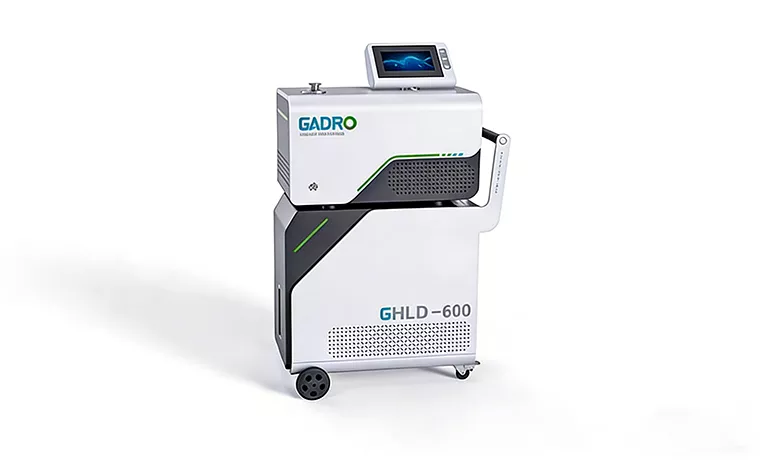
Portable helium mass spectrometer systems help technicians complete inspections faster without sacrificing accuracy.
Portable Helium Leak Detectors for GIS Maintenance
Modern portable systems are specifically designed for field operation.
Key Features
| Feature | Benefit |
|---|---|
| Compact Design | Easier transportation |
| High Sensitivity | Detects micro leaks |
| Fast Startup | Reduced testing delays |
| Digital Display | Real-time leak analysis |
| Data Logging | Maintenance reporting |
These systems are increasingly common in utility service teams performing GIS leak detection across large electrical networks.
Comparing Helium Leak Detection with Alternative Methods
| Method | Sensitivity | Speed | Quantitative Analysis | Suitable for Micro Leaks |
|---|---|---|---|---|
| Soap Bubble | Low | Slow | No | No |
| Ultrasonic | Medium | Medium | Limited | Limited |
| SF6 Sniffer | Medium | Medium | Limited | Moderate |
| Helium Mass Spectrometer | Very High | Fast | Yes | Excellent |
The comparison clearly shows why helium systems are becoming the preferred technology for critical GIS applications.
Industry Trends Driving Helium Leak Detection Adoption
Several industry trends are accelerating demand for advanced leak testing technologies.
Stricter Environmental Regulations
Governments and utility regulators are increasing oversight of SF6 emissions.
Utilities now require:
- Better leak documentation
- Lower annual emission rates
- Improved maintenance records
Expansion of Renewable Energy Grids
Renewable installations frequently use compact GIS systems, increasing the need for efficient maintenance solutions.
Aging Power Infrastructure
Many substations worldwide are reaching advanced operational age, making predictive maintenance more important.
Advanced GIS leak detection helps identify issues before catastrophic failures occur.
Best Practices for GIS Leak Detection
To maximize inspection accuracy and efficiency, operators should follow several best practices.
Use Proper Calibration
Regular calibration ensures accurate leak rate measurement.
Minimize Background Contamination
Avoid excessive helium release near testing zones to maintain sensitivity.
Inspect Critical Sealing Areas
Focus inspections on:
- Flanges
- Weld seams
- Valve interfaces
- Cable terminations
- O-ring seals
Maintain Detailed Records
Leak trend analysis improves long-term power equipment maintenance planning.
Future of Leak Detection in GIS Systems
The future of leak detection technology is moving toward:
- Smart digital diagnostics
- Automated monitoring systems
- AI-assisted maintenance analysis
- Integrated remote inspection tools
- Real-time leak monitoring sensors
Helium mass spectrometer technology will continue to play a major role because of its unmatched sensitivity and quantitative capabilities.
Conclusion
As utilities seek higher reliability, lower emissions, and improved operational efficiency, helium mass spectrometer technology has become a cornerstone of modern GIS leak detection programs.
Compared with traditional inspection methods, helium-based systems provide:
- Superior sensitivity
- Faster inspection cycles
- Accurate leak quantification
- Reduced SF6 emissions
- Improved maintenance planning
From factory testing to on-site leak detection in substations, helium leak detection solutions are helping power companies maintain safer and more reliable electrical infrastructure while meeting increasingly strict environmental standards.
For organizations focused on long-term power equipment maintenance performance, investing in advanced helium leak detection technology is no longer optional—it is becoming an essential part of modern GIS asset management.
FAQ
1. Why is helium preferred over SF6 for leak detection in GIS systems?
Helium has a much smaller molecular size and very low natural atmospheric concentration, allowing it to detect extremely small leaks with higher sensitivity and less background interference.
2. Can helium leak detection be performed during normal substation operation?
In many cases, portable sniffer-based systems allow partial on-site leak detection without complete equipment removal, though testing procedures depend on voltage class and maintenance safety protocols.
3. How often should GIS leak inspections be performed?
Inspection frequency depends on equipment age, operating conditions, and regulatory requirements, but many utilities perform annual or scheduled preventive maintenance inspections for critical GIS assets.