



Table of Contents
The global shift toward electric vehicles (EVs) is no longer a futuristic vision; it is a current industrial revolution. As automotive manufacturers transition from internal combustion engines to high-capacity lithium-ion battery systems, the focus has shifted from mechanical horsepower to chemical energy density and, most importantly, safety. In the ecosystem of EV manufacturing, “integrity” is the keyword that determines a vehicle’s success or catastrophic failure. Ensuring the hermetic seal of a battery pack is not merely a quality control step—it is a life-saving necessity. This is where the advanced technology of a helium gas leak detector becomes the silent guardian of the automotive industry.
The Stakes of EV Battery Integrity
An electric vehicle battery pack is a complex assembly of cells, modules, cooling systems, and sophisticated electronics, all housed within a reinforced enclosure. This enclosure must remain perfectly sealed against the external environment for the lifetime of the vehicle.
The Dangers of Ingress and Egress
The integrity of an EV battery pack faces two primary threats:
- Moisture Ingress: If environmental moisture enters the battery pack, it can react with the electrolyte or cause internal short circuits. Even a microscopic leak can lead to the formation of hydrofluoric acid, which corrodes internal components and eventually triggers a thermal runaway event.
- Electrolyte Egress: Conversely, if the volatile electrolyte leaks out of the cells or the pack, it poses a severe fire hazard. Lithium-ion batteries are notoriously difficult to extinguish once ignited, making prevention the only viable safety strategy.
Given these risks, automotive leak detection has evolved from simple pressure decay tests to the ultra-precise world of mass spectrometry.
Why Helium? The Science Behind the Superiority
In the realm of EV battery testing, why has helium become the industry standard for high-sensitivity leak detection? The answer lies in the atomic properties of the gas itself.
Helium is the second smallest molecule in existence (only hydrogen is smaller, but its flammability makes it dangerous for industrial use). Because of its tiny molecular size, helium can pass through leak paths that are far too small for water, oil, or even air molecules to penetrate. Furthermore, helium is an inert gas, meaning it does not react with the battery materials, and its natural concentration in the atmosphere is very low (about 5 ppm), which minimizes “background noise” during testing.
The Critical Role of Helium Gas Leak Detectors in the Production Line
Integrating a helium gas leak detector into the manufacturing process is a strategic investment in brand reputation and consumer safety. Unlike traditional bubble immersion or pressure drop methods, helium testing provides quantitative, repeatable, and extremely fast results suitable for high-volume automotive production.
1. Component-Level Testing
Before the final assembly, individual components such as cooling plates, battery trays, and cell canisters must be tested. A leak in the cooling circuit could lead to coolant leaking onto high-voltage components—a recipe for disaster. Helium detectors ensure these sub-assemblies meet the stringent IP67 or even IP69K waterproof ratings.
2. Battery Pack Housing Integrity
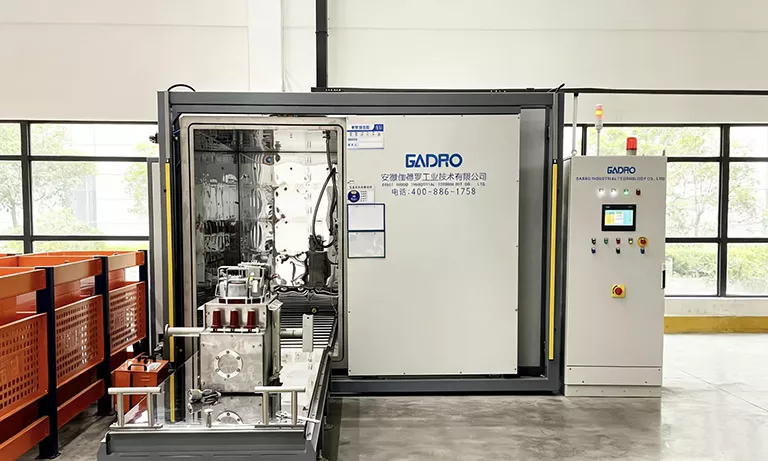
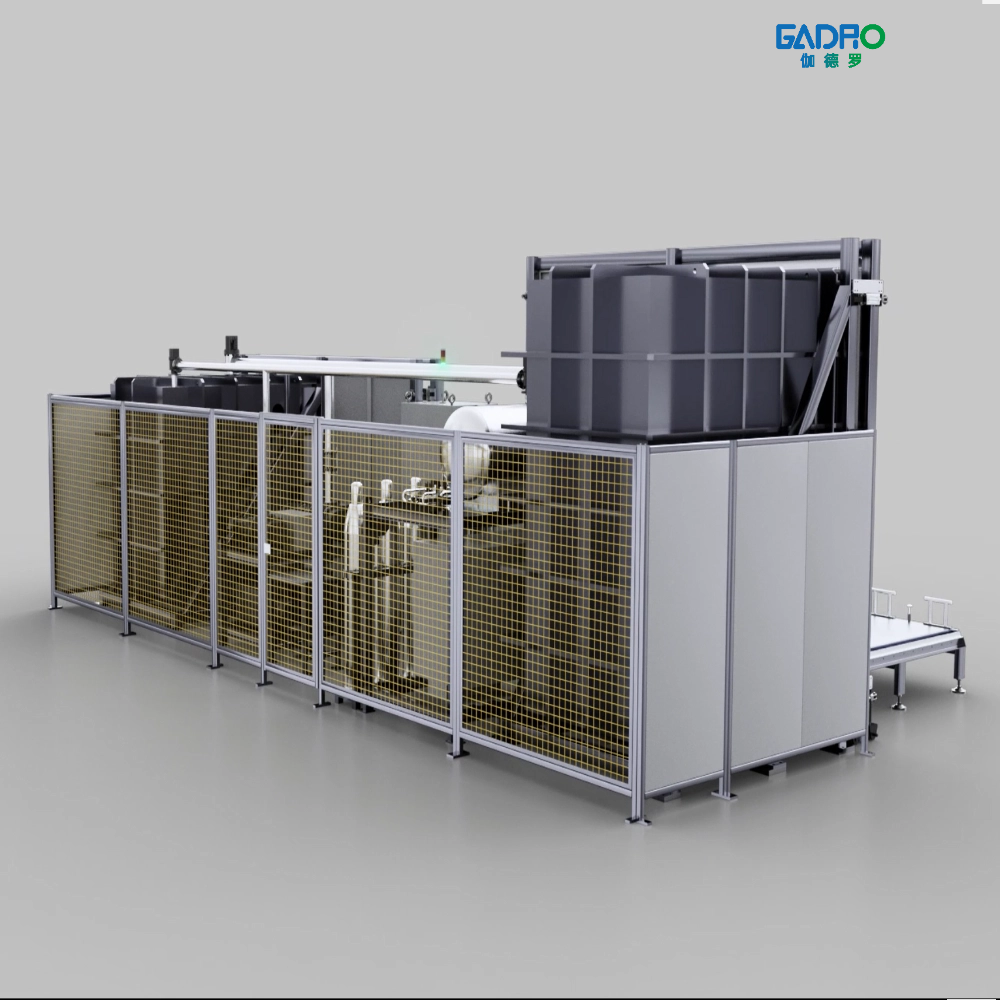
The large aluminum or composite trays that house the modules must be tested for structural integrity. Large-scale vacuum chamber helium testing allows manufacturers to verify that the entire perimeter of the tray and all seal points are hermetically sound.
3. Final Pack Verification
Once the pack is fully assembled, a “sniffer” test or a vacuum hood test using a helium leak detector provides the final confirmation of integrity. This stage ensures that no seals were compromised during the assembly process or through bolt-torqueing stresses.
Technical Advantages of Vacuum Helium Leak Detection
When comparing different methods of automotive leak gas detection, vacuum-based helium testing stands out for several reasons:
- Unmatched Sensitivity: It can detect leak rates as small as 10^-12 mbar·l/s. For context, this is equivalent to a leak so small it would take thousands of years for a single cubic centimeter of gas to escape.
- Dry Testing: Unlike water bath testing, helium testing is a “dry” process. There is no risk of introducing moisture or needing a drying stage after the test, which speeds up the cycle time significantly.
- Operator Independence: Modern helium leak detectors are fully automated. The system provides a “Pass/Fail” result based on digital sensors, removing the human error associated with looking for bubbles in a tank.
- Data Traceability: In the age of “Industry 4.0,” every test result is logged. Manufacturers can trace the specific leak rate of every battery pack back to its serial number, which is crucial for regulatory compliance and potential recall management.
Addressing the “Thermal Runaway” Challenge
A compromised battery seal is the leading precursor to thermal runaway. By employing a high-precision helium gas leak detector, manufacturers are effectively eliminating the “latent defects” that lead to spontaneous combustion months or years after the vehicle has left the factory. This proactive approach to EV battery testing is what differentiates premium automotive OEMs from their competitors.
Exploring Gadro Detection’s Solutions
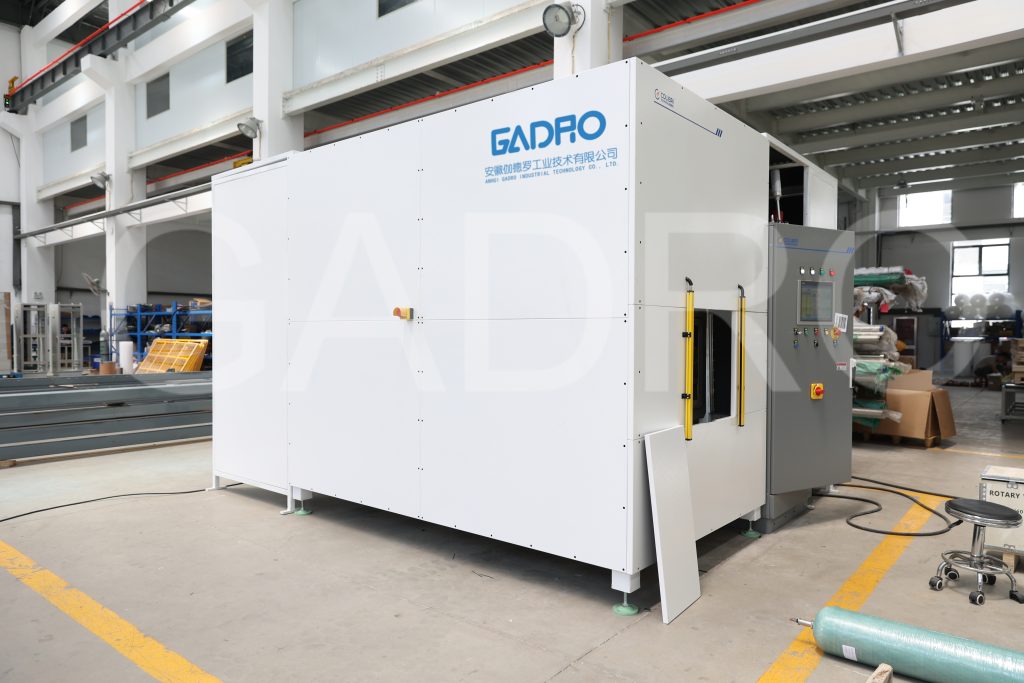
For manufacturers seeking to implement these rigorous standards, finding the right equipment is paramount. Gadro Detection specializes in high-performance leak detection systems tailored for the automotive sector.
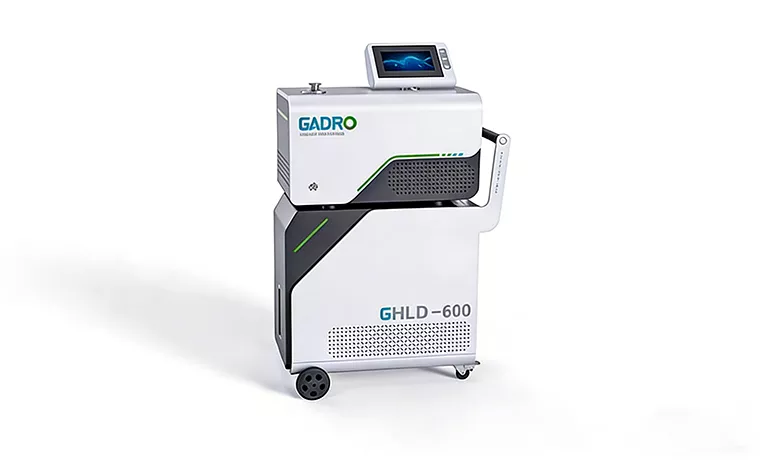
Their range of helium leak detectors is designed to handle the rigors of the EV production floor, offering:
- High pumping speeds for fast cycle times in vacuum chambers.
- Advanced “sniffer” probes for localized leak identification.
- Seamless integration with PLC systems for automated assembly lines.
By leveraging Gadro’s technology, engineers can ensure that every battery pack meets the highest international safety standards, protecting both the consumer and the manufacturer’s liability.

The Future of EV Battery Testing: Beyond Lithium-Ion
As we look toward solid-state batteries and other emerging technologies, the requirement for pack integrity will only become more stringent. Solid-state electrolytes are often highly sensitive to oxygen and moisture, necessitating even lower leak rate thresholds. The role of the helium gas leak detector will transition from a “best practice” to a “mandatory requirement” as the energy density of these packs continues to rise.
Furthermore, as global regulations like the EU Battery Passport come into effect, the documentation of rigorous leak testing will be essential for the circular economy and battery recycling processes.
Conclusion
In the competitive landscape of the electric vehicle market, safety is the ultimate luxury. A single battery failure can tarnish a brand’s image for a generation. By prioritizing automotive leak detection and utilizing the precision of a helium gas leak detector, manufacturers are not just checking a box—they are building a foundation of trust with their customers.
The integrity of the pack is the integrity of the brand. As EV battery leak testing continues to advance, helium remains the gold standard, ensuring that the road to a sustainable future is both green and safe.
FAQ
Q1: Why is helium preferred over air for EV battery leak testing?
Air molecules (Nitrogen and Oxygen) are significantly larger than Helium atoms. Small leak paths in a battery pack might be “blocked” by larger air molecules or surface tension, leading to a false sense of security. Helium’s small atomic size allows it to permeate even the most microscopic cracks, providing a much higher level of safety assurance. Additionally, helium testing is much faster than waiting for pressure changes in large-volume battery packs.
Q2: Can helium leak detection help in identifying the exact location of a leak?
Yes. While vacuum chamber testing is excellent for a quick “pass/fail” on the entire pack, a helium gas leak detector equipped with a “sniffer probe” allows technicians to manually or robotically scan seams, valves, and connectors to pinpoint the exact source of the leak. This makes the repair and quality improvement process significantly more efficient.
Q3: What are the industry standards for EV battery pack leak rates?
Most automotive OEMs aim for an IP67 rating, which requires the pack to be protected against immersion in water up to 1 meter for 30 minutes. However, translated into gas leak rates for production, this often means detecting leaks in the range of 10^-3 to 10^-5 mbar·l/s. For cooling systems within the pack, the requirements are often even stricter ( 10^-6 mbar·l/s) to prevent any long-term glycol seepage.