



Table of Contents
In the world of environmental monitoring, the detection of leaks plays a crucial role in safeguarding the environment, public health, and industrial systems. One of the most effective tools for this task is the helium leak detector, which is used to identify even the tiniest of leaks in various applications. From nuclear facilities to space exploration, and from chemical manufacturing to environmental research, helium leak detectors are indispensable instruments in maintaining system integrity and preventing contamination.
What is a Helium Leak Detector?
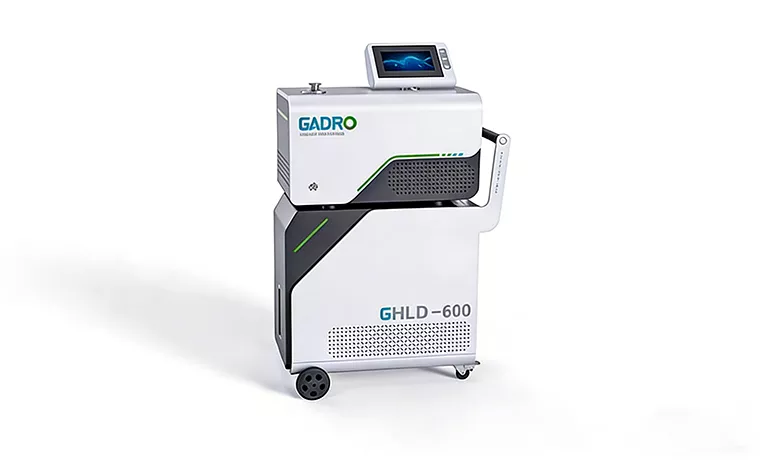
A helium leak detector is an advanced diagnostic tool that identifies the presence of leaks by utilizing helium gas, which is often considered the “ideal” tracer gas. Helium is preferred due to its small atomic size, inert nature, and non-toxicity, making it perfect for detecting leaks in sealed systems.
Helium leak detection works based on a principle called mass spectrometry. A small amount of helium gas is introduced into the system, and the detector measures the concentration of helium in the air outside the system. If a leak is present, helium will escape from the system and be detected by the instrument. This enables precise identification of even the smallest leaks.
Importance of Helium Leak Detectors in Environmental Monitoring
Detection of Harmful Gas Leaks
Environmental monitoring often involves detecting the release of hazardous gases into the atmosphere. Industries such as oil, gas, chemical manufacturing, and nuclear energy are heavily reliant on helium leak detectors to ensure that gases like methane, sulfur dioxide, or radioactive materials do not escape into the environment. Such leaks can lead to contamination of air, soil, and water, posing significant risks to ecosystems and human health.
For instance, in a nuclear power plant, the integrity of containment systems is paramount. A minor leak of radioactive gases could have catastrophic consequences. Helium leak detectors help ensure that these systems are tightly sealed and that any potential leaks are detected and sealed before they pose a risk.
Monitoring Greenhouse Gas Emissions
Helium leak detection systems are also used in monitoring the emissions of greenhouse gases such as carbon dioxide (CO₂) and methane (CH₄). These gases contribute to climate change, and their leakage from industrial equipment or pipelines must be minimized. Regular inspection using helium leak detection methods helps identify and repair leaks before they become major contributors to global warming.
Maintaining Air Quality
In industries where the quality of air is crucial—such as pharmaceutical production or clean-room environments—helium leak detectors are used to ensure that contaminants like chemicals or particulates do not leak into the air. This is especially important for maintaining sterile environments in industries such as biotechnology and healthcare.
Water and Soil Protection
Environmental monitoring doesn’t only concern air quality but also water and soil safety. Helium leak detection is used to check for leaks in underground storage tanks, pipelines, and containment structures that could leak harmful substances into the ground. Early detection of leaks helps prevent contamination of water supplies and soil, which could otherwise result in long-term environmental damage.
Space Exploration and Satellite Maintenance
The aerospace industry makes extensive use of helium leak detectors, particularly in the maintenance of spacecraft and satellites. Spacecraft are highly sensitive to pressure changes and gas leaks. Even the smallest leak in the oxygen tanks or fuel systems can jeopardize the mission. In such a scenario, helium leak detectors offer an efficient and reliable way to ensure the integrity of these critical systems before launch.
Applications of Helium Leak Detectors in Environmental Monitoring
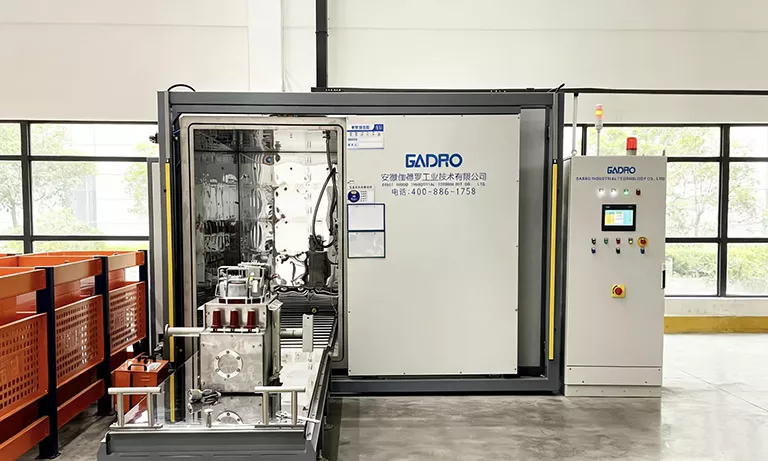
Industrial Inspections: Large-scale facilities, like chemical plants or oil refineries, use helium leak detectors during maintenance to identify cracks and leaks in pipes, valves, and tanks that could allow dangerous substances to escape.
Environmental Agencies: Regulatory bodies and environmental agencies use these detectors to monitor industrial emissions and ensure that industries are complying with environmental protection standards. For example, gas extraction plants use helium leak detection to ensure that methane gas, a potent greenhouse gas, doesn’t leak into the atmosphere.
Underground Leak Detection: In places like landfills or underground pipelines, helium can be pumped into the system, and the leak detector can identify trace amounts of helium that have escaped, pinpointing the source of contamination.
Climate Research: Helium leak detectors are also used in climate research to monitor the leakage of refrigerants and other gases that contribute to global warming. Their role in ensuring these systems do not leak into the environment has become increasingly important in the face of climate change concerns.
Advantages of Using Helium Leak Detectors in Environmental Monitoring
Precision: Helium leak detectors are capable of detecting very low levels of helium—down to parts per trillion—making them ideal for locating even the smallest leaks in a variety of environments.
Non-Toxic and Safe: Helium is an inert and non-toxic gas, so it poses no threat to human health or the environment, even when used in sensitive areas like pharmaceutical clean rooms or food processing plants.
Rapid Detection: These detectors provide real-time monitoring and can quickly identify the exact location of a leak, allowing for fast repairs and minimizing the risk of contamination.
Versatility: Helium leak detectors are highly versatile and can be used in a wide range of environments, from large industrial complexes to highly sensitive research labs and space exploration settings.
Challenges and Limitations
While helium leak detectors are incredibly useful, they are not without challenges:
Cost: High-quality helium leak detectors can be expensive, and their maintenance and calibration also require careful attention.
Helium Supply: Helium is a limited resource, and its supply can sometimes be inconsistent. In certain cases, especially for large-scale operations, ensuring an adequate supply of helium may pose logistical challenges.
System Compatibility: Some systems, particularly those with highly complex geometries or materials, may require specialized techniques or equipment to detect leaks effectively.
Conclusion
Helium leak detectors play a vital role in environmental monitoring, ensuring the safety and integrity of systems across many industries. Whether it’s monitoring hazardous gas emissions, maintaining clean environments, preventing soil and water contamination, or supporting cutting-edge aerospace technology, these detectors provide a reliable, precise, and safe solution to detect leaks. Their application continues to grow, making them indispensable tools for both environmental protection and the advancement of technology.