



Índice
As indústrias modernas que dependem de sistemas de vácuo de alto desempenho enfrentam um desafio comum: detectar vazamentos de forma rápida e precisa antes que causem atrasos na produção, contaminação ou falhas nos equipamentos. Seja na fabricação de semicondutores, na indústria aeroespacial, na produção de baterias, em dispositivos médicos ou em pesquisas laboratoriais, os testes de vazamento tornaram-se uma etapa crucial na garantia da qualidade.
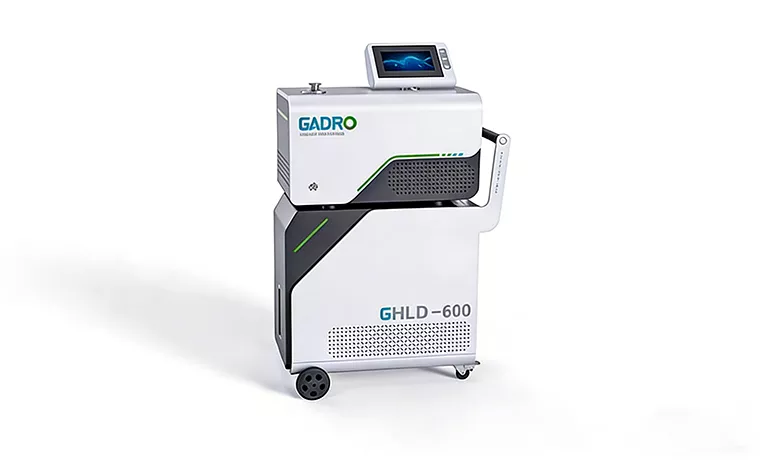
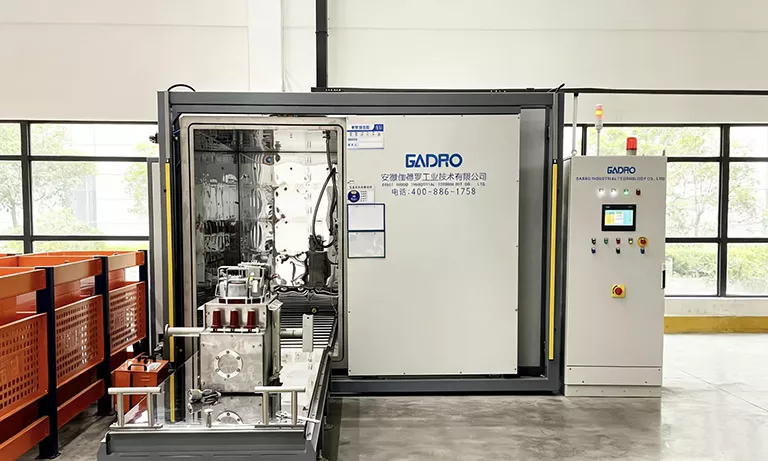
Os métodos tradicionais de teste de vácuo geralmente exigem longos ciclos de inspeção, verificações de pressão repetidas e solução de problemas manual. À medida que os padrões de produção se tornam mais rigorosos, os fabricantes estão recorrendo cada vez mais a tecnologias avançadas. detector de vazamento de espectrômetro de massa de hélio Tecnologia para melhorar drasticamente a velocidade e a confiabilidade dos testes.
Este artigo explora como a detecção de vazamentos baseada em hélio melhora teste do sistema de vácuo, por que oferece desempenho superior eficiência na detecção de vazamentosE como as empresas podem reduzir o tempo de inatividade e, ao mesmo tempo, melhorar a qualidade do produto.

Por que o teste de vazamento a vácuo é importante
Os sistemas de vácuo são projetados para operar sob condições de pressão altamente controladas. Mesmo vazamentos microscópicos podem causar grandes problemas operacionais, incluindo:
- Desempenho de vácuo reduzido
- Contaminação do produto
- Desperdício de energia
- Aumento dos custos de manutenção
- Menor estabilidade do processo
- falhas no cumprimento das normas regulamentares
Indústrias que utilizam sistemas de ultra-alto vácuo não podem se dar ao luxo de ter vazamentos não detectados. Em setores como a fabricação de baterias de lítio ou a produção de semicondutores, um pequeno vazamento pode comprometer todo um lote de produção.
Por isso, o teste de vazamentos deixou de ser apenas uma tarefa de manutenção e se tornou parte essencial da eficiência operacional.
Limitações dos métodos tradicionais de teste de vazamento
Muitas instalações ainda dependem de técnicas antigas de teste de vazamento, tais como:
| Método tradicional | Principal desvantagem |
|---|---|
| Teste de queda de pressão | Tempo de estabilização lento |
| Teste de bolhas | Baixa sensibilidade |
| Detecção ultrassônica | Precisão limitada |
| teste de retenção de vácuo | É difícil localizar os pontos exatos do vazamento. |
| Teste de pressão de nitrogênio | Menor sensibilidade para microvazamentos |
Esses métodos podem identificar grandes vazamentos, mas frequentemente têm dificuldades com defeitos minúsculos que afetam ambientes de alto vácuo.
Em muitos casos, os técnicos passam horas procurando manualmente os locais de vazamento, o que leva a:
- Tempo de inatividade prolongado do equipamento
- Cronogramas de produção atrasados
- Aumento dos custos de mão de obra
- Resultados de testes inconsistentes
É aqui que os sistemas à base de hélio criam uma grande vantagem.
Por que o hélio é ideal para detecção de vazamentos?
O hélio possui diversas propriedades únicas que o tornam o gás traçador preferido para testes de vazamento de precisão.
1. Tamanho atômico extremamente pequeno
Os átomos de hélio são minúsculos e conseguem passar por aberturas microscópicas que outros gases não conseguem penetrar com facilidade. Isso permite a detecção de vazamentos com alta sensibilidade.
2. Quimicamente inerte
O hélio não reage com os materiais do sistema, tornando-o seguro para ambientes de vácuo sensíveis.
3. Baixa concentração atmosférica
Como o hélio existe naturalmente em concentrações muito baixas no ar, a interferência de fundo é mínima. Isso melhora a precisão das medições.
4. Alta velocidade de difusão
O hélio se espalha rapidamente pelos caminhos do vazamento, ajudando os técnicos a identificá-los com mais rapidez.
Essas características permitem um detector de vazamento de espectrômetro de massa de hélio Identificar vazamentos extremamente pequenos com precisão excepcional.
Como funciona um detector de vazamentos em um espectrômetro de massa de hélio
O processo é altamente eficiente e cientificamente preciso.
Passo 1: Criação de vácuo
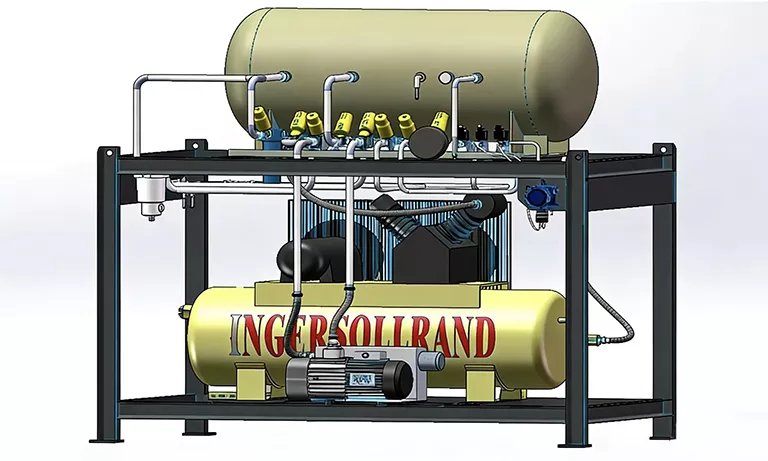
O objeto de teste ou câmara de vácuo é evacuado utilizando uma bomba de vácuo.
Etapa 2: Introdução ao Hélio
O gás hélio é pulverizado ao redor das áreas suspeitas de vazamento ou introduzido no componente em teste.
Etapa 3: Análise por Espectrometria de Massa
Se o hélio entrar no sistema de vácuo por meio de um vazamento, o detector identifica os íons de hélio com base em sua relação massa/carga.
Passo 4: Identificação instantânea de vazamentos
O sistema exibe imediatamente as taxas de vazamento e, muitas vezes, identifica com precisão o local do vazamento.
Esse processo permite a análise em tempo real, em vez da inspeção lenta por tentativa e erro.
Como a detecção de vazamento de hélio reduz o tempo de teste em 50%
A maior vantagem operacional é a velocidade.
Localização de vazamentos mais rápida
Os testes de vácuo tradicionais podem apenas indicar a existência de um vazamento em algum ponto do sistema. Nesses casos, os técnicos precisam inspecionar manualmente diversas áreas.
Os sistemas de hélio identificam instantaneamente os pontos exatos de vazamento, eliminando o tempo desnecessário de resolução de problemas.
Exemplo de comparação
| Método de teste | Tempo médio de localização do vazamento |
|---|---|
| Teste de queda de pressão | 2 a 4 horas |
| Inspeção de bolhas | 1 a 3 horas |
| Espectrometria de massa de hélio | 30 a 60 minutos |
Para conjuntos de vácuo de grande porte, a economia de tempo torna-se ainda mais significativa.
Ciclos de reteste reduzidos
Métodos mais antigos frequentemente produzem resultados ambíguos, exigindo testes repetidos.
Detectores avançados de hélio proporcionam:
- Medições quantitativas de vazamentos
- Ajuste de sensibilidade em tempo real
- Verificação imediata após os reparos.
Isso reduz significativamente a necessidade de inspeções repetidas.
Maior sensibilidade previne falhas tardias.
A detecção precoce de pequenos vazamentos evita futuras avarias nos equipamentos.
Em vez de descobrir a instabilidade do vácuo durante a produção, os fabricantes podem corrigir os problemas durante os estágios iniciais de inspeção.
Essa abordagem preventiva minimiza:
- Manutenção de emergência
- interrupções na produção
- taxas de rejeição de produtos
Integração de testes automatizados
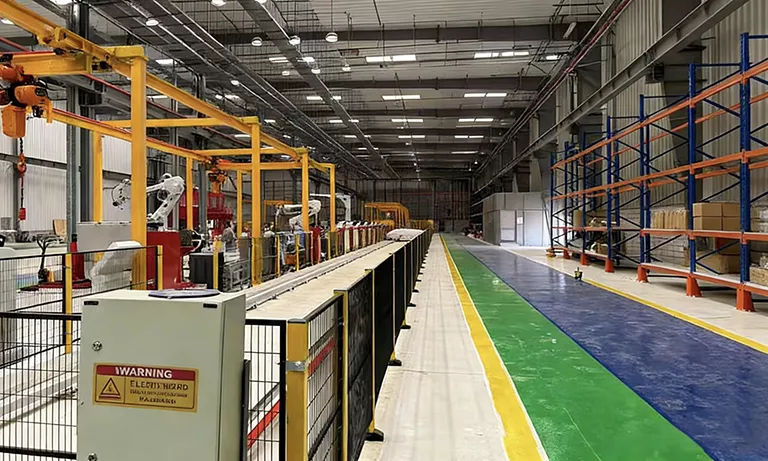
Os detectores de vazamentos modernos se integram facilmente aos sistemas de produção automatizados.
As funcionalidades podem incluir:
- Julgamentos automatizados de aprovação/reprovação
- Registro de dados digitais
- Comunicação PLC
- Monitoramento remoto
- Registros de testes vinculados a código de barras
A automação reduz o tempo de operação manual e aumenta a consistência.
Indústrias que mais se beneficiam com a detecção de vazamentos de hélio
Fabricação de semicondutores
A fabricação de semicondutores exige condições de vácuo extremamente limpas. Mesmo contaminações microscópicas podem danificar os wafers.
Os sistemas à base de hélio proporcionam a sensibilidade necessária para:
- Testes em câmara de vácuo
- Sistemas de distribuição de gás
- Validação da ferramenta de processo
Produção de baterias de lítio
Os fabricantes de baterias utilizam ambientes de vácuo durante os processos de enchimento e selagem do eletrólito.
A detecção de vazamentos ajuda a garantir:
- Segurança celular
- Pressão interna estável
- Maior duração da bateria
Aeroespacial e Aviação
Os sistemas de combustível de aeronaves, satélites e sistemas de propulsão exigem um desempenho de vedação extremamente confiável.
Os testes com hélio melhoram a garantia de qualidade para:
- tanques de combustível
- Sistemas criogênicos
- Componentes hidráulicos
- sistemas de vácuo de espaçonaves
Fabricação de Dispositivos Médicos
Implantes médicos e embalagens esterilizadas requerem integridade hermética.
O teste de vazamento é essencial para:
- marcapassos
- Cateteres
- Instrumentos cirúrgicos
- embalagens farmacêuticas
Laboratórios de Pesquisa
Os equipamentos de pesquisa científica frequentemente operam em condições de vácuo ultra-alto.
A detecção de hélio ajuda a manter ambientes experimentais estáveis.
Principais características a serem observadas em um detector de vazamento de hélio
Ao selecionar equipamentos, os fabricantes devem avaliar diversos fatores críticos.
Sensibilidade de detecção
A maior sensibilidade permite a detecção de vazamentos extremamente pequenos.
Aplicações como a fabricação de semicondutores frequentemente exigem sistemas ultrassensíveis.
Velocidade de bombeamento
Uma velocidade de bombeamento mais rápida reduz o tempo de evacuação e melhora a produtividade.
Tempo de resposta
A resposta rápida melhora a eficiência do operador durante as inspeções manuais.
Portabilidade
Os sistemas portáteis são úteis para manutenção em campo e para grandes equipamentos industriais.
Compatibilidade com Automação
As fábricas que estão a adotar a produção inteligente devem priorizar sistemas compatíveis com linhas de teste automatizadas.
Economia de custos além de testes mais rápidos
Embora os detectores de vazamento avançados exijam investimento inicial, os benefícios financeiros a longo prazo são substanciais.
Redução dos custos de mão de obra
Inspeções mais rápidas reduzem as horas de trabalho dos técnicos.
Tempo de inatividade reduzido
Janelas de manutenção mais curtas melhoram o tempo de atividade da produção.
Melhoria no rendimento do produto
A detecção precoce de vazamentos impede que produtos defeituosos cheguem aos clientes.
Redução de pedidos de garantia
Um desempenho de vedação confiável reduz os riscos de falhas em campo.
Melhor eficiência energética
Sistemas de vácuo com menos vazamentos consomem menos energia.
Melhores práticas para maximizar a eficiência na detecção de vazamentos
Para alcançar resultados ótimos, as instalações devem seguir diversas boas práticas operacionais.
Manter a calibração adequada
A calibração regular garante níveis de sensibilidade precisos.
Operadores de trem adequadamente
Operadores experientes conseguem identificar padrões de vazamento mais rapidamente e evitar leituras falsas.
Utilize ambientes de teste limpos
A contaminação pode afetar a precisão das medições.
Implementar cronogramas de testes preventivos
Inspeções de rotina previnem falhas inesperadas.
Combine a detecção de vazamentos com a manutenção preditiva.
A integração de testes de vazamento em programas de manutenção mais abrangentes melhora a confiabilidade dos equipamentos.
Tendências futuras em testes de vazamento a vácuo
O futuro de teste do sistema de vácuo Está caminhando em direção a sistemas mais inteligentes, mais rápidos e mais conectados.
As tendências emergentes incluem:
| Tendência | Impacto |
|---|---|
| Diagnóstico assistido por IA | Interpretação de vazamentos mais rápida |
| detectores conectados à IoT | Monitoramento remoto |
| Escaneamento robótico automatizado | Redução da mão de obra |
| Sensores de maior sensibilidade | Detecção de vazamentos ultramicroscópicos |
| Relatórios baseados na nuvem | Gestão centralizada da qualidade |
Com o aumento contínuo das exigências de precisão na indústria, os sistemas baseados em hélio se tornarão ainda mais essenciais.
Conclusão
A indústria moderna exige ciclos de produção mais rápidos, controle de qualidade mais rigoroso e maior confiabilidade do vácuo do que nunca. Os métodos tradicionais de teste de vazamento muitas vezes não conseguem atender a essas expectativas de forma eficiente.
UM detector de vazamento de espectrômetro de massa de hélio Oferece uma solução poderosa, melhorando significativamente as condições. eficiência na detecção de vazamentos e reduzindo teste do sistema de vácuo tempo em até 50%.
Com localização de vazamentos mais rápida, maior sensibilidade, tempo de inatividade reduzido e compatibilidade com automação, a detecção de vazamentos à base de hélio tornou-se o padrão da indústria para sistemas de vácuo de alto desempenho.
Para empresas que buscam maior produtividade, custos operacionais reduzidos e melhor qualidade de produto, investir em tecnologia avançada de detecção de vazamentos de hélio deixou de ser opcional e se tornou uma vantagem competitiva.
Perguntas frequentes
1. Por que o hélio é preferido em relação a outros gases para detecção de vazamentos?
O hélio é quimicamente inerte, não tóxico e possui átomos muito pequenos que podem passar facilmente por vazamentos microscópicos. Sua baixa concentração natural no ar também melhora a precisão dos testes.
2. Qual a sensibilidade dos detectores de vazamento em espectrômetros de massa de hélio?
Os sistemas modernos conseguem detectar vazamentos extremamente pequenos, muitas vezes em níveis exigidos para aplicações em semicondutores, aeroespacial e de ultra-alto vácuo.
3. É possível integrar detectores de vazamento de hélio em linhas de produção automatizadas?
Sim. Muitos sistemas modernos suportam comunicação com PLC, análise automatizada de aprovação/reprovação, relatórios digitais e integração com fábricas inteligentes para ambientes de produção em larga escala.