



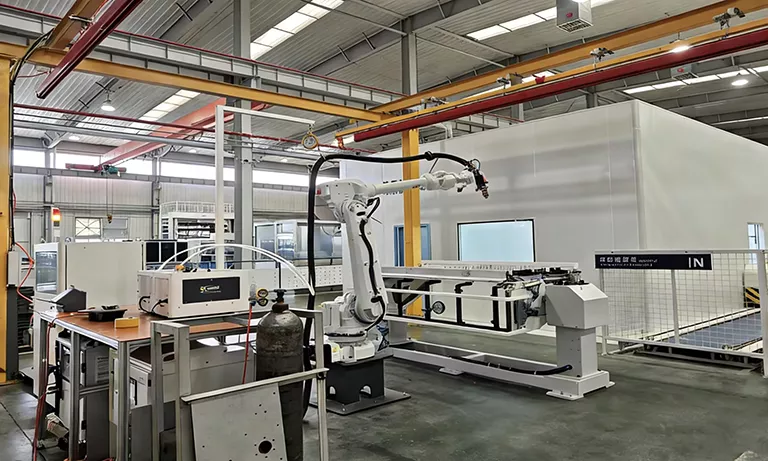

In the high-stakes world of precision manufacturing, the integrity of a sealed system is not merely a preference—it is a critical requirement. From the intricate cooling channels of electric vehicle (EV) batteries to the ultra-high vacuum environments of semiconductor fabrication, even the most microscopic leak can lead to catastrophic failure, reduced product lifespan, or safety hazards.
The Helium Mass Spectrometry Leak Detection System has emerged as the gold standard for non-destructive testing (NDT). This guide explores the technical nuances, selection criteria, and industrial applications of these systems to help manufacturers and procurement officers make informed decisions.



The Science of Precision: How Helium Leak Detection Works
At its core, a helium mass spectrometer is a highly sensitive gas analyzer. It utilizes helium as a tracer gas because of its unique properties: it is inert, non-toxic, and rare in the atmosphere (only 5 ppm), which ensures a low background signal.
The process involves a magnetic sector mass spectrometer that ionizes gas molecules. Once ionized, these molecules are accelerated through a magnetic field. Because helium ions have a specific mass-to-charge ratio, the magnetic field deflects them onto a specific path leading to a collector (Faraday cup or electron multiplier).
Key Performance Parameters for Procurement
When evaluating a manufacturer or a specific factory-grade system, B2B buyers should focus on technical specifications rather than marketing jargon. These parameters are direct indicators of the system’s engineering quality.
1. Minimum Detectable Leak Rate (Sensitivity)
The hallmark of a premium system is its sensitivity. For high-vacuum applications, a detectable leak rate of ≤ 5*10^(-13) Pa·m³/s is often required. Systems with a lower “noise” threshold allow for faster detection of smaller defects, significantly improving the yield of high-value components.
2. Pumping Speed and Response Time
In an industrial production line, throughput is king. The system’s effective pumping speed at the inlet determines how quickly the test chamber can be evacuated and how fast the helium signal can be cleared (recovery time). High-performance turbo-molecular pumps are essential for reducing cycle times in 24/7 manufacturing environments.
3. Background Suppression and Signal Stability
External helium contamination can lead to “ghost leaks” or false positives. Advanced systems incorporate sophisticated software algorithms and “intelligent” background suppression to filter out ambient helium, ensuring that the readings remain stable even in environments where helium is frequently used.
Industrial Application Scenarios
The EV and Automotive Sector
As the global shift toward electrification accelerates, the demand for leak-tight battery packs and cooling plates has surged. Helium leak detection is utilized to verify the hermetic sealing of battery cells and modules. Manufacturers prioritize systems that can integrate seamlessly into automated assembly lines, providing rapid “Pass/Fail” results.
Semiconductor and Vacuum Technology
Semiconductor fabrication relies on ultra-pure gas delivery systems. Any atmospheric ingress can contaminate the process gas, ruining entire batches of silicon wafers. In this sector, the vacuum-mode leak test is preferred to ensure that gas lines and process chambers can maintain the required 10^(-9) Torr vacuum levels.
Aerospace and Defense
For fuel systems, hydraulic components, and pressurized cabins, the margin for error is zero. Engineers in these fields require robust, portable, or stationary helium systems capable of detecting leaks in complex geometries under both pressure and vacuum conditions.
Choosing the Right System Configuration
Manufacturers generally offer two primary methods of testing:
- Vacuum Method (Inside-Out/Outside-In): The test object is evacuated and placed in a helium-rich environment, or vice versa. This is the most sensitive method, ideal for components that operate under vacuum.
- Sniffer Method: The test object is pressurized with helium, and a handheld probe (sniffer) is used to locate the exact point of the leak. While less sensitive than the vacuum method (10^{-7} to 10^{-8} mbar·l/s), it is invaluable for large systems where the leak location must be identified for repair.
Why Gadro is the Preferred Partner for Leak Detection Solutions
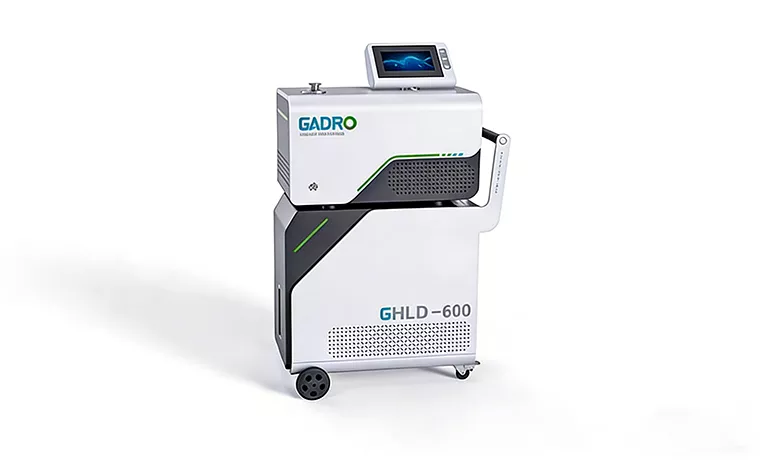
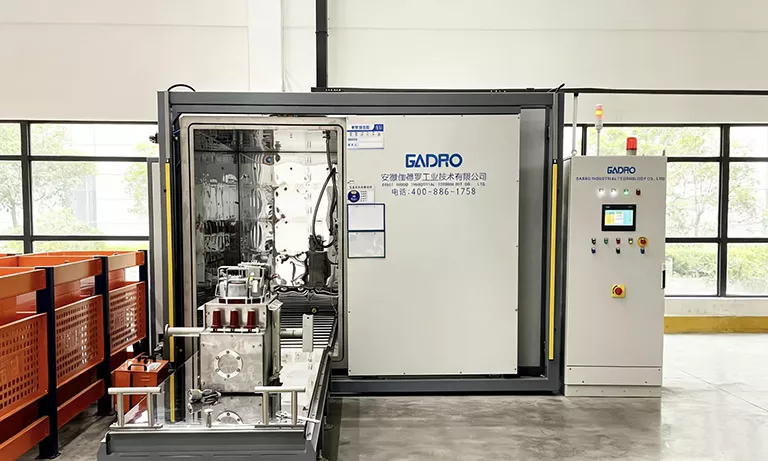
When it comes to high-end industrial leak detection, Gadro stands at the forefront of innovation and reliability. The Gadro Helium Mass Spectrometry Leak Detection System is engineered to meet the rigorous demands of modern smart factories and high-precision laboratories.
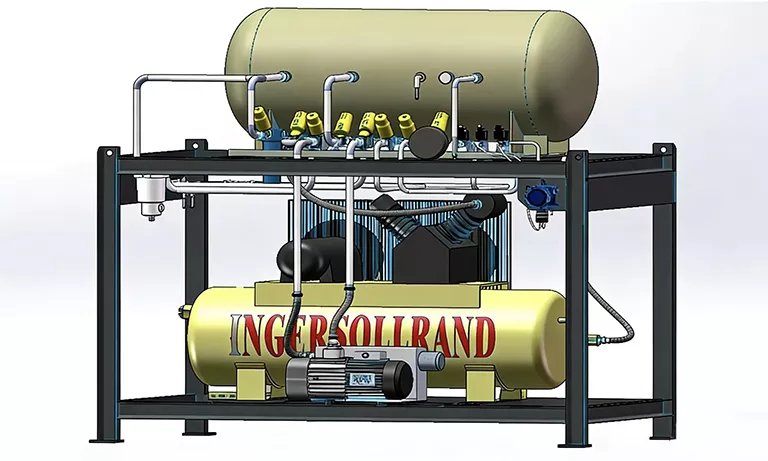
Our systems are built with a focus on technical excellence and durability. By utilizing high-capacity, oil-free vacuum systems and precision-machined ion sources, Gadro ensures that your production line experiences minimal downtime. We understand that for a manufacturer, a leak detector is more than just a tool—it is a gatekeeper of quality.
The Gadro Advantage:
- Rapid Cycle Times: Optimized for high-throughput environments like EV battery production.
- Advanced Control Interface: Intuitive software that allows for easy integration into existing PLC and SCADA systems.
- Exceptional Sensitivity: Capable of detecting the smallest leaks in the most demanding vacuum applications.
- Robust Engineering: Designed to operate consistently in industrial conditions without sacrificing accuracy.