


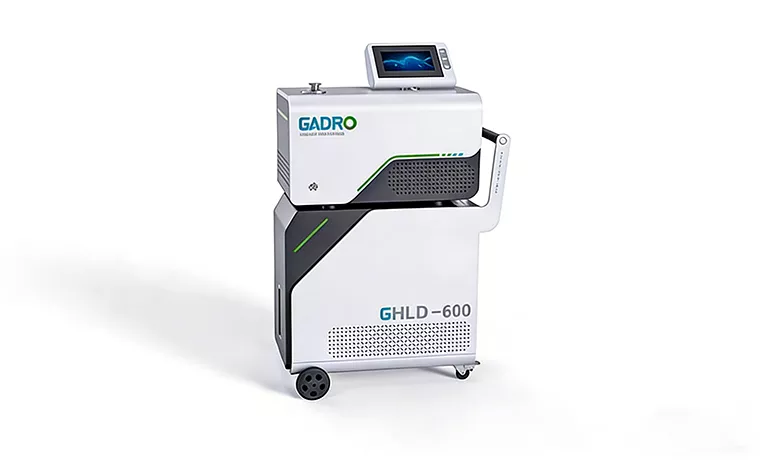
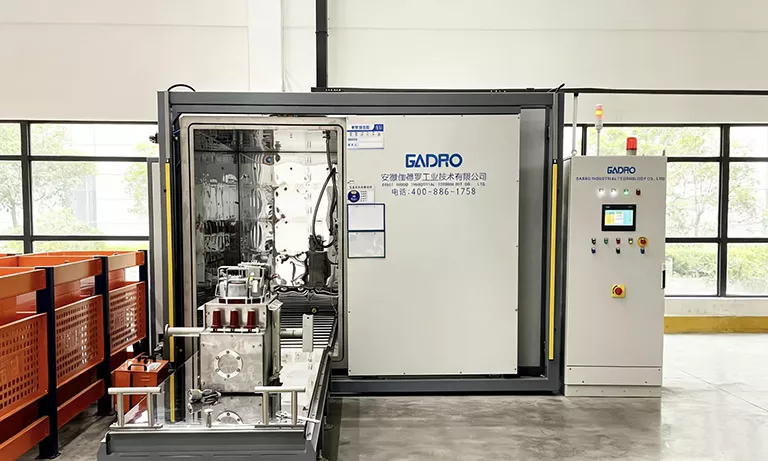
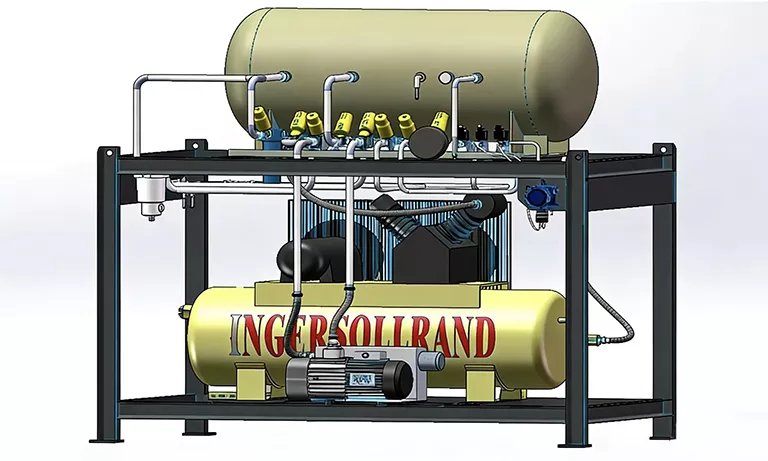
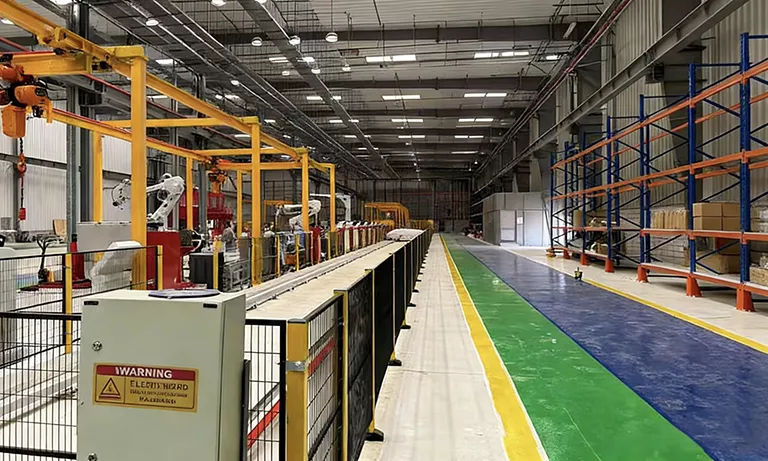

The HVAC and refrigeration industries are facing stricter environmental regulations and higher consumer expectations than ever before. Ensuring that cooling systems are entirely leak-proof is no longer just a basic quality control measure; it is a critical regulatory requirement. Traditional leak testing methods often fall short when identifying microscopic faults. This is exactly where advanced helium detection equipment is changing the game and setting new industry standards.

For decades, manufacturers relied heavily on traditional water baths, soap bubbles, or pressure decay methods. However, these outdated techniques can be slow and frequently miss the ultra-fine leaks that cause long-term refrigerant loss. Today, upgrading to a specialized HVAC leak detector utilizing helium tracer gas offers unparalleled precision. Because helium is an inert gas with one of the smallest atomic sizes of all elements, it easily penetrates even the most microscopic pores, cracks, and faulty joints without reacting with the system’s internal components.
Implementing a comprehensive helium detection system provides manufacturers and maintenance professionals with absolute certainty. When an HVAC unit is pressurized with helium or a specific helium-nitrogen mixture, the detection system uses mass spectrometry to “sniff out” escaping gas down to parts per billion. This incredible level of accuracy not only ensures peak energy efficiency for the end-user but also drastically reduces harmful greenhouse gas emissions caused by leaking refrigerants.
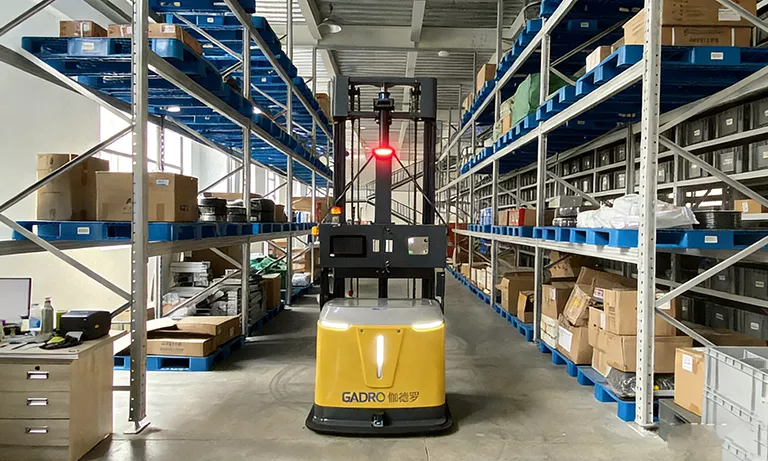
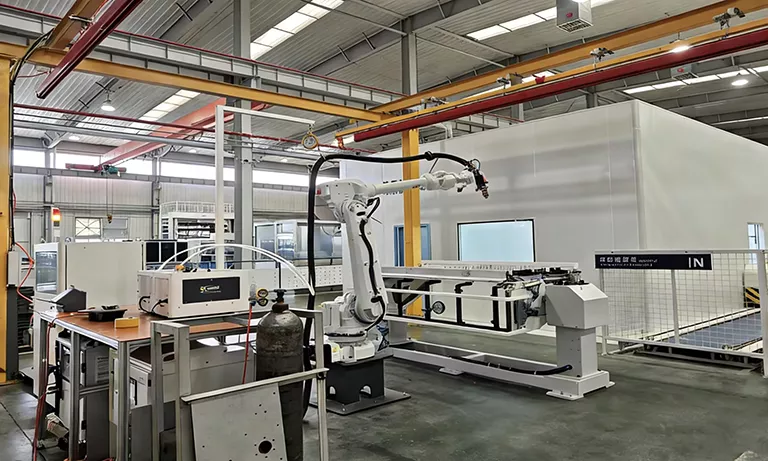
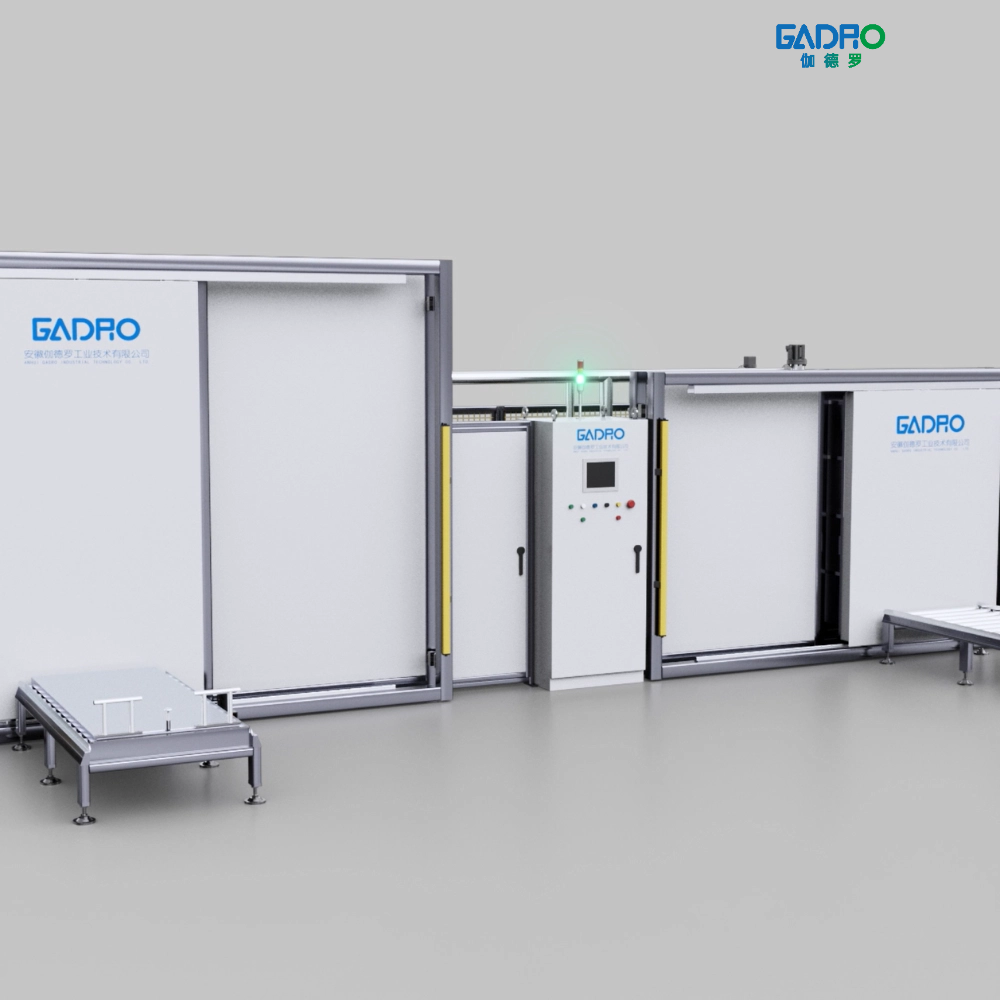
Furthermore, modern automated helium testing solutions can be seamlessly integrated into high-speed production lines. This means factories can test refrigeration units faster, eliminate human error, reduce false rejects, and significantly lower overall operational costs.
In conclusion, adopting helium-based testing technology is a future-proof investment. It guarantees product integrity, satisfies strict environmental compliance, and delivers the ultimate peace of mind for both HVAC manufacturers and consumers.
FAQs
Q1: Why is a helium detection system better than traditional water bath testing?
A: Helium testing is significantly more sensitive and reliable. While traditional water baths can only find visually apparent, larger leaks, a helium detection system can identify microscopic leaks (down to 10⁻¹² mbar·l/s) that would otherwise go unnoticed. This ensures the long-term reliability and efficiency of the HVAC unit.
Q2: Can a modern HVAC leak detector be integrated into an automated production line?
A: Yes. Modern helium detection equipment is specifically designed for high-speed manufacturing environments. These systems can be fully automated within vacuum chambers, providing rapid cycle times and objective pass/fail results without slowing down your production output.
Q3: Is helium gas safe to use for testing refrigeration systems?
A: Absolutely. Helium is an inert, non-toxic, and non-flammable noble gas. It does not chemically react with HVAC components, metals, or actual refrigerants, making it completely safe for both the factory operators and the integrity of the equipment being tested.