





Table of Contents
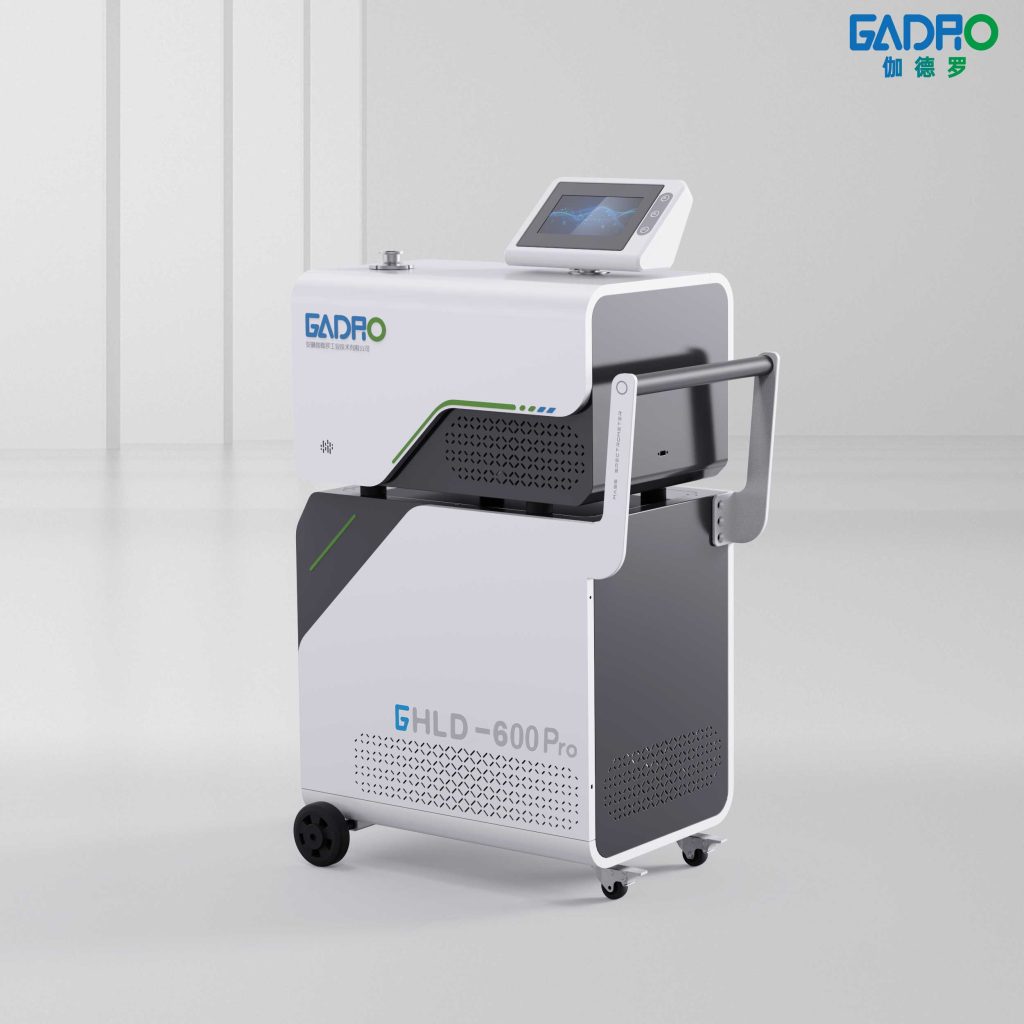
In the world of industrial leak detection, the Helium Mass Spectrometer Leak Detector (MSLD) stands out as the gold standard for its unparalleled sensitivity and precision. This technology plays a critical role in ensuring the integrity of sealed or vacuum systems by detecting even the most minute leaks, making it essential in industries ranging from semiconductor manufacturing to aerospace and nuclear technology.


Operating Principle: Isolating the Invisible
The core function of the MSLD lies in its ability to detect and quantify leaks by isolating helium atoms that have passed through a leak path. Helium is an ideal choice for this process due to its small molecular size, chemical inertness, and low natural atmospheric concentration (around 5 ppm), which makes it easy to distinguish from other gases in the environment.
Key Instrument Components:
- The Vacuum System:
The vacuum system is crucial for creating the extremely low pressures required for mass spectrometry. It includes:- Roughing Pump: Reduces the pressure from atmospheric to an intermediate vacuum.
- High Vacuum Pump: Achieves the necessary high vacuum level for ion separation.
- Contraf-flow Principle: Protects the analyzer from large leaks by using the exhaust flow to shield the sensitive analyzer cell.
- The Mass Spectrometer (Analyzer Cell):
This is the heart of the detection system, where helium ions are separated and quantified:- Ion Source: Helium molecules are bombarded by electrons, ionizing them into positively charged helium ions (He⁺).
- Mass Separator: A magnetic field deflects helium ions along a specific path, filtering out heavier gas ions.
- Ion Collector: Detects the impact of helium ions, generating an electrical current that is proportional to the leak rate.
- The Calibrated Leak (Reference Standard):
To ensure accurate measurements, the system is routinely calibrated with a device that has a precisely known leak rate, ensuring the MSLD can provide reliable, quantitative results.
Quantifying the Leak: Units of Precision
The MSLD quantifies leak rates in terms of the pressure-volume product of gas flowing through a leak path per unit of time. Common units include:
- Millibar-liters per second (mbar·L/s): The most commonly used unit.
- Pascal-cubic meters per second (Pa·m³/s): The official SI unit for leak rate.
- Standard cubic centimeters per second (std·cc/s): Common in North America.
The MSLD’s sensitivity is remarkable, with the ability to detect leak rates as low as 5 × 10⁻¹² mbar·L/s, which is essential for high-precision applications.
Applications and Comparisons to Other Methods
The MSLD is indispensable in industries where system integrity is paramount, including the production of semiconductor components, aerospace systems, and nuclear technology. Here’s how it compares to other leak detection methods:
| Method | Principle | Typical Sensitivity | Key Differentiator |
|---|---|---|---|
| Helium MSLD | Mass spectrometer detection of He tracer gas | 10⁻⁸ to 10⁻¹² mbar·L/s | Highest sensitivity; essential for micro-leaks and ultra-high vacuum systems. |
| Pressure Decay | Measures pressure drop in an isolated system | 10⁻² to 10⁻⁴ mbar·L/s | Simple and cost-effective; limited by temperature fluctuations. |
| Bubble Testing | Observes bubbles in submerged parts | 10⁻¹ to 10⁻³ mbar·L/s | Excellent for locating large leaks but non-quantitative. |
| Halogen Diode | Detects halogenated gases | 10⁻⁴ to 10⁻⁶ mbar·L/s | High sensitivity for specific gases but sensor element is consumed. |
The Helium MSLD stands apart for its unmatched sensitivity and ability to precisely quantify leak rates, making it indispensable for industries where even the smallest leaks could compromise safety, reliability, or performance.