



أدى الانتشار السريع للسيارات الكهربائية إلى بروز تحدٍّ خطير يتعلق بالسلامة، ألا وهو الهروب الحراري. ومن الأسباب الرئيسية لتلف البطاريات دخول الرطوبة أو تسرب سائل التبريد.
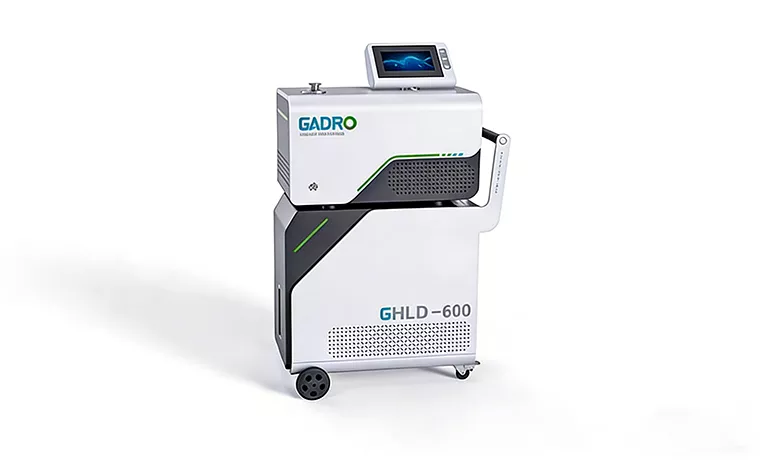
لمنع الأعطال الكارثية، وضعت صناعة السيارات معايير صارمة (IP67/IP68). لم تعد أساليب الاختبار التقليدية كافية. إليكم السبب اختبار تسرب بطارية السيارة الكهربائية يعتمد بشكل كبير على غاز الهيليوم المستخدم كمتتبع.
1. تحدي "القنوات الصغيرة"
جزيئات الماء صغيرة، لكن تسرب الرطوبة يمكن أن يحدث من خلال شقوق مجهرية في اللحامات أو موانع التسرب التي لا يمكن رؤيتها بالعين المجردة.
- حزم البطاريات: الصواني الكبيرة ذات المحيطات الطويلة للإغلاق معرضة للتسريبات الدقيقة.
- ألواح التبريد السائل: تقوم هذه المكونات بتدوير سائل التبريد مباشرة بجوار خلايا البطارية. حتى تسرب ضئيل للغاية من سائل التبريد يمكن أن يتسبب في حدوث ماس كهربائي.
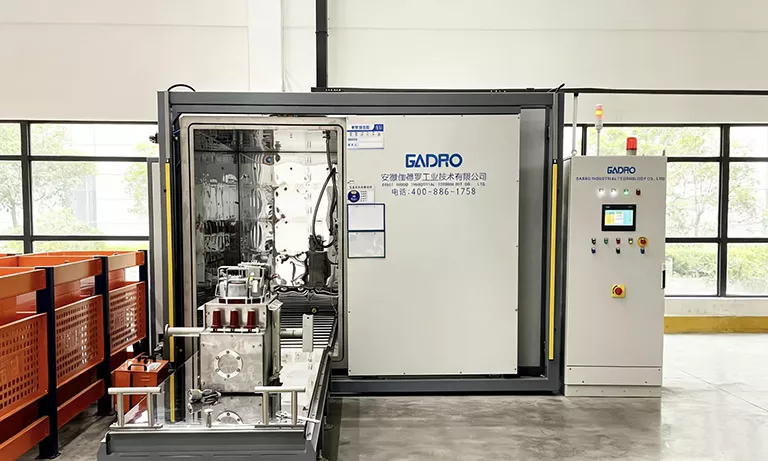
2. الحل: اختبار الهيليوم في غرفة مفرغة
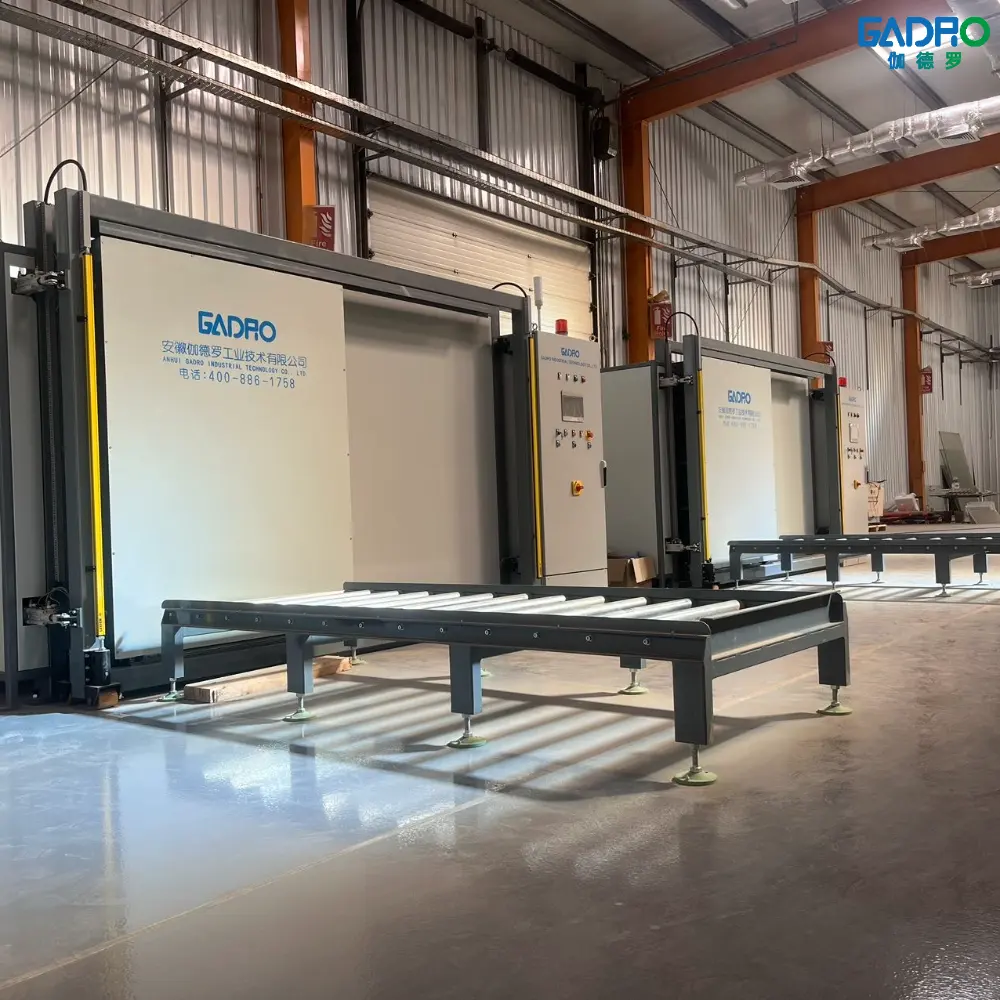
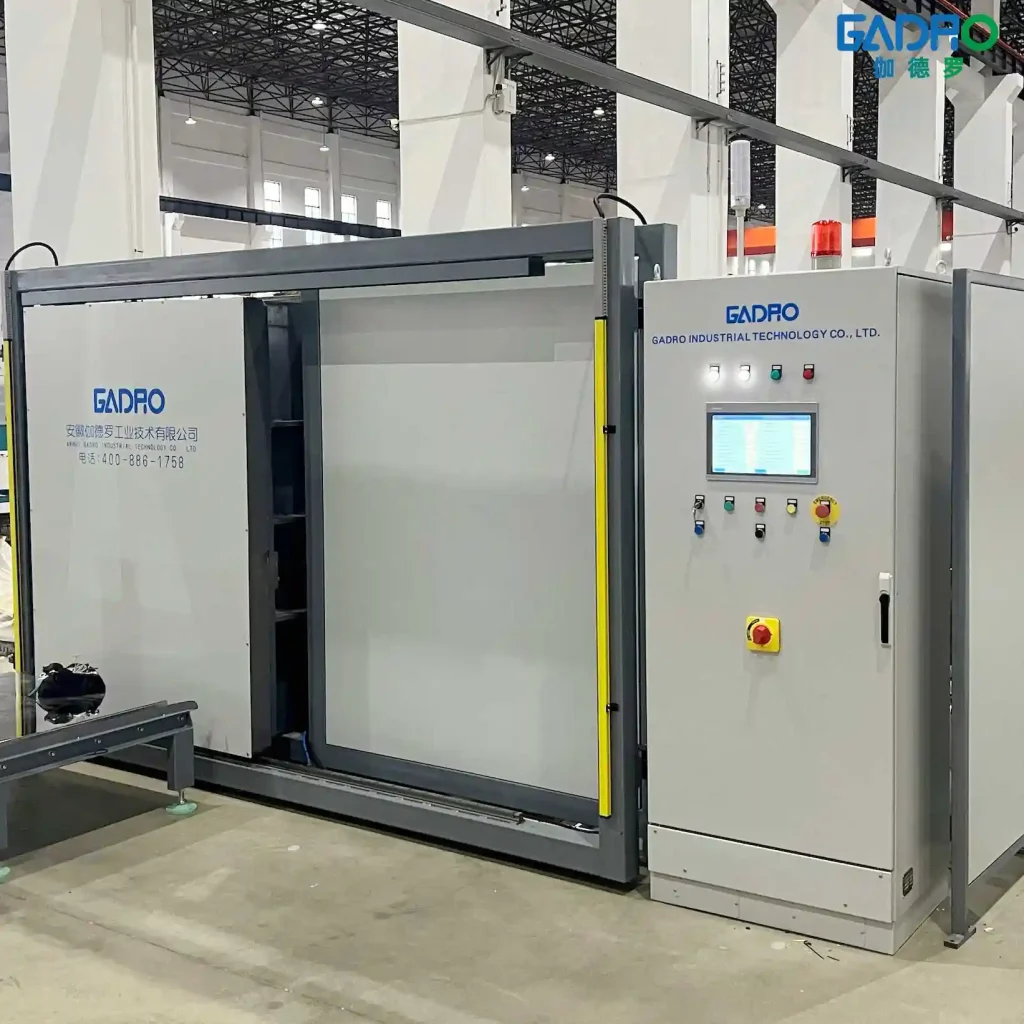
بالنسبة لمكونات السيارات الكهربائية، طريقة غرفة التفريغ هو المعيار الذهبي.
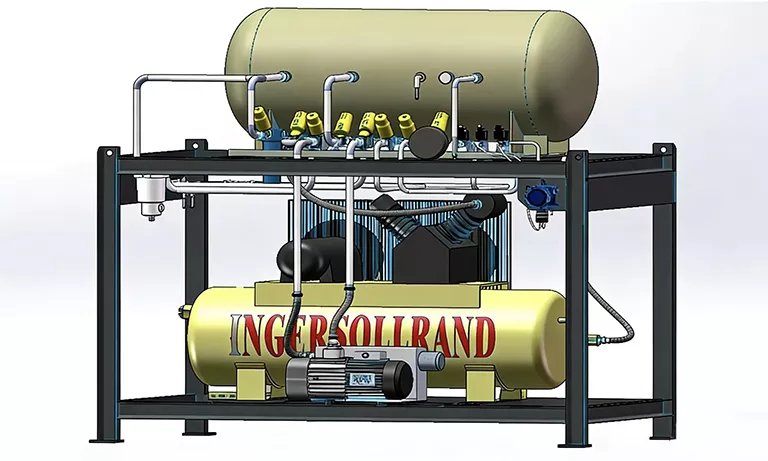
يُوضع الجزء (مثلاً، حزمة بطارية) في حجرة، ويُفرغ الهواء منها، ثم يُضغط الجزء بغاز الهيليوم. في حال حدوث تسرب، يتسرب الهيليوم إلى حجرة التفريغ ويُكشف عنه فوراً بواسطة مطياف الكتلة.
- حساسية عالية: يكشف عن التسريبات حتى $1 \times 10^{-6}$ mbar·l/s (المعيار لحزم البطاريات).
- الامتثال العالمي: يفي بمعايير الشركات المصنعة الأصلية الصارمة ولوائح النقل الخاصة بالاتحاد الأوروبي رقم 38.3.
3. إدارة أوقات دورة الإنتاج
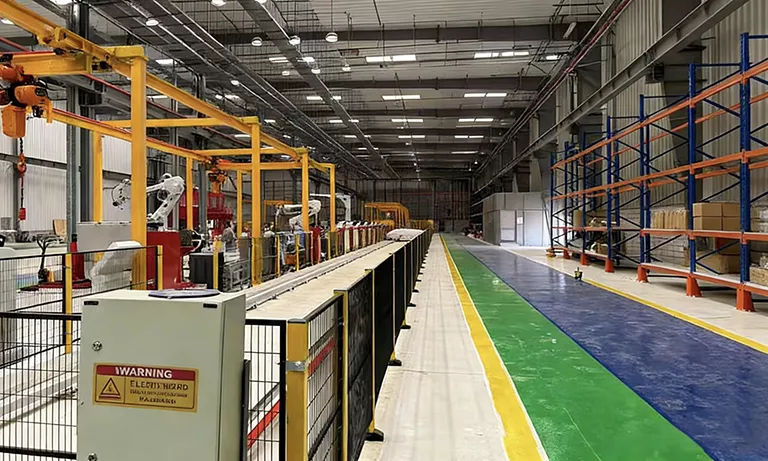
صناعة السيارات الكهربائية سريعة التطور. أنظمة كشف تسرب الهيليوم صُممت هذه الأجهزة لتحقيق السرعة. وباستخدام تصميمات متعددة الحجرات ودورات تفريغ مُحسّنة، نضمن ألا تُصبح الاختبارات الصارمة عائقًا أمام خط التجميع الخاص بك.
خاتمة
السلامة أمر لا يقبل المساومة في سوق السيارات الكهربائية. استخدام تقنية الكشف المتقدمة عن الهيليوم يضمن أن كل بطارية تغادر مصنعك محكمة الإغلاق وآمنة وجاهزة للاستخدام على الطرق.
[> تحقق من حلولنا لاختبار تسرب بطاريات السيارات الكهربائية هنا.]
الأسئلة الشائعة: اختبار مكونات السيارات الكهربائية باستخدام الهيليوم
س1: ما هي المعايير المستخدمة لاختبار إحكام حزمة بطارية السيارة الكهربائية؟
أ: تشترط معظم شركات تصنيع السيارات الأصلية أن تستوفي حزم البطاريات معايير صارمة. تصنيف مقاومة الماء IP67 أو IP68 لمنع تسرب الرطوبة. تتطلب هذه المعايير العالية الكشف عن مسارات التسرب المجهرية للغاية.
س2: هل يمكن لهذا الجهاز اختبار ألواح التبريد (أنظمة التبريد السائل)؟
أ: نعم. تتطلب ألواح التبريد حساسية أعلى لمنع تسرب سائل التبريد إلى الخلايا. ويُعدّ اختبار الهيليوم الطريقة المُفضّلة لهذه المكونات.
س3: هل هذا الاختبار مدمر؟
أ: لا. الكشف عن تسرب الهيليوم هو الاختبارات غير المدمرة (NDT) الطريقة. يبقى الجزء نظيفًا وجافًا وغير تالف بعد الاختبار، وجاهزًا لخطوة التجميع التالية.