



جدول المحتويات
في عالم التصنيع الصناعي، لا يُعدّ "انعدام العيوب" مجرد شعار، بل هو شرط أساسي. لسنوات، انخفاض ضغط الهواء لطالما كان اختبار فرق الضغط المعياري لاختبار التسرب نظرًا لانخفاض تكلفته وبساطته. إلا أنه مع ازدياد متطلبات الدقة في قطاعات مثل السيارات وأنظمة التدفئة والتهوية وتكييف الهواء والأجهزة الطبية، بات اختبار الهواء يقترب من حدوده الفيزيائية.
إذا كان خط إنتاجك يواجه رفضًا خاطئًا بسبب تغيرات درجة الحرارة أو عدم اكتشاف التسريبات الدقيقة، فقد يكون الوقت قد حان للترقية إلى نظام كشف تسرب الهيليوم.
1. حد انخفاض ضغط الهواء
تعتمد تقنية قياس انخفاض ضغط الهواء على ضغط جزء ما وقياس انخفاض الضغط بمرور الوقت. ورغم فعاليتها في حالات التسريبات الكبيرة، إلا أنها تواجه صعوبة في حالات أخرى. تسريبات دقيقة (أصغر من $1 \times 10^{-3}$ mbar·l/s).
علاوة على ذلك، فإن الهواء حساس. يمكن أن يتسبب تغير طفيف في درجة الحرارة المحيطة أو تمدد الجزء في حدوث تقلبات في الضغط، مما يؤدي إلى "أعطال وهمية" أو، ما هو أسوأ من ذلك، تمرير جزء معيب.
2. لماذا يُغيّر الهيليوم قواعد اللعبة
يُعدّ الهيليوم أصغر جزيء غاز خامل مناسب للاختبارات الصناعية. وعلى عكس الهواء، فهو لا يتفاعل مع الأجزاء ولا يتأثر بتغيرات درجة الحرارة.
- حساسية فائقة: تستطيع أنظمة الهيليوم الكشف عن التسريبات الصغيرة التي تصل إلى $1 × 10⁻¹² ملي بار·لتر/ثانية. وهذا أمر بالغ الأهمية للأجزاء التي يجب أن تحتفظ بالغاز أو الفراغ لسنوات، مثل أجهزة نفخ الوسائد الهوائية أو ضواغط التبريد.
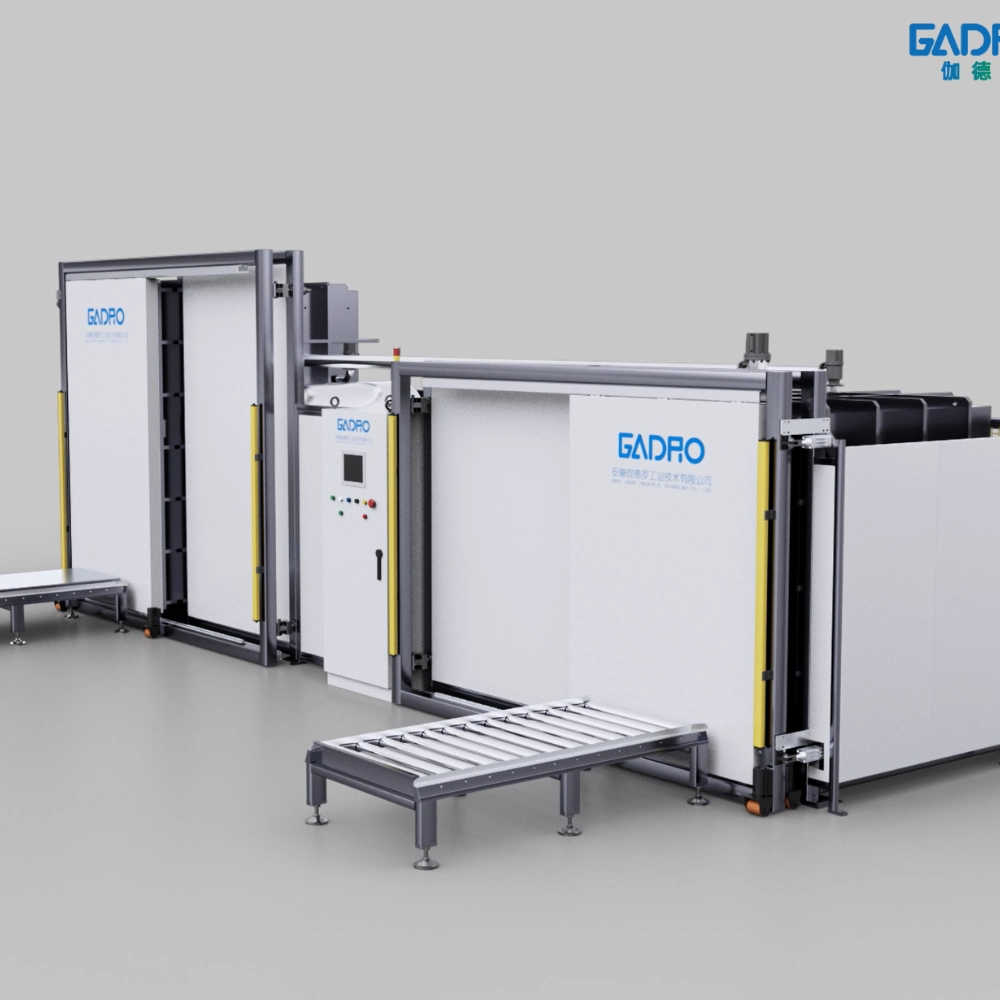
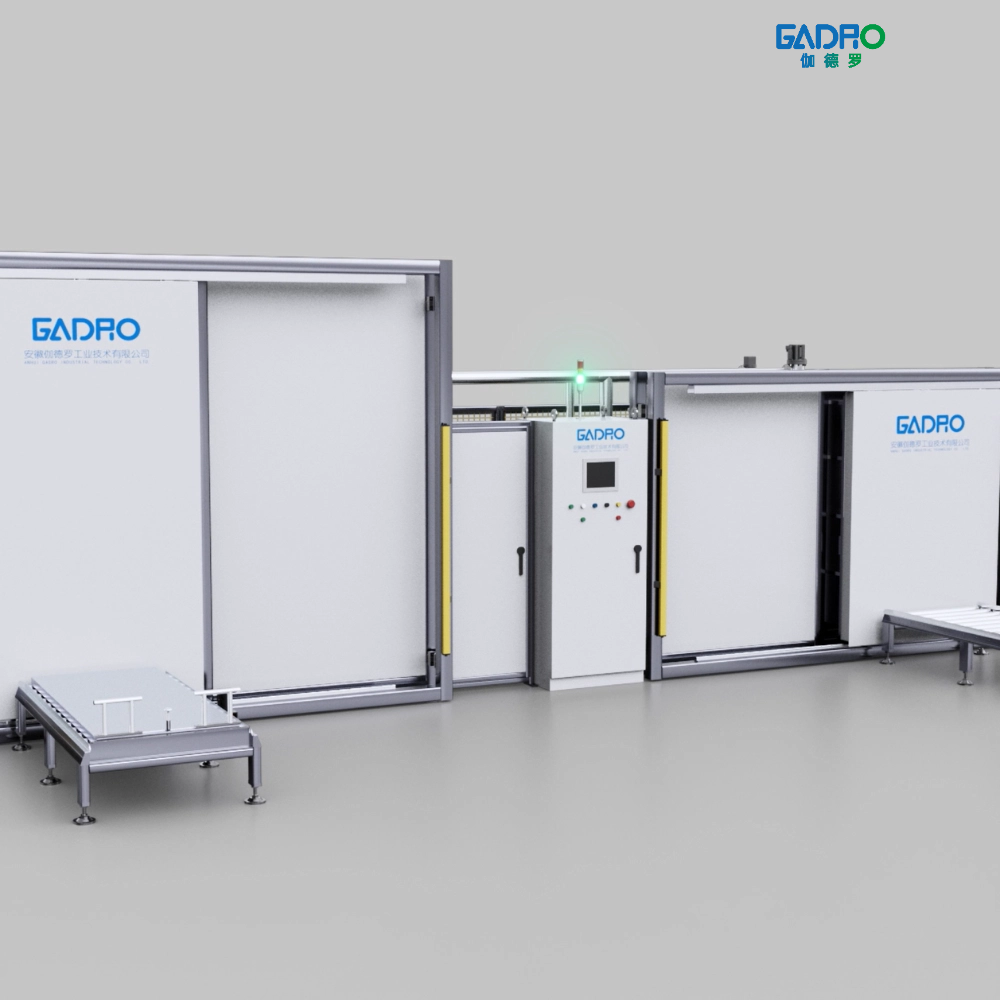
- السرعة والدقة: اختبار الهيليوم (وخاصة طريقة غرفة التفريغ(وهو أسرع ويقدم نتيجة حتمية. يخبرك بذلك) بالضبط كمية التسرب، وليس مجرد تغير في الضغط.
3. معالجة خرافة التكلفة
أكبر عائق أمام المصنّعين هو تكلفة غاز الهيليوم. ومع ذلك، فإن الأنظمة الحديثة مجهزة بـ وحدات استعادة الهيليومتستطيع هذه الأنظمة التقاط وإعادة تدوير ما يصل إلى 98% من غاز التتبع المستخدم أثناء الاختبار. وهذا يقلل بشكل كبير من تكاليف التشغيل، مما يجعل اختبار الهيليوم حلاً ميسور التكلفة للإنتاج بكميات كبيرة.
خاتمة
يُعدّ التحوّل من الهواء إلى الهيليوم استثماراً في سمعة علامتك التجارية، إذ يُلغي الحاجة إلى التخمين في مراقبة الجودة.
[> اتصل بنا اليوم لمقارنة عائد الاستثمار لترقية خط اختبار التسرب الخاص بك.]
الأسئلة الشائعة: أسئلة شائعة حول التحول إلى الهيليوم
س1: هل يمكن أتمتة عملية الكشف عن تسرب الهيليوم؟
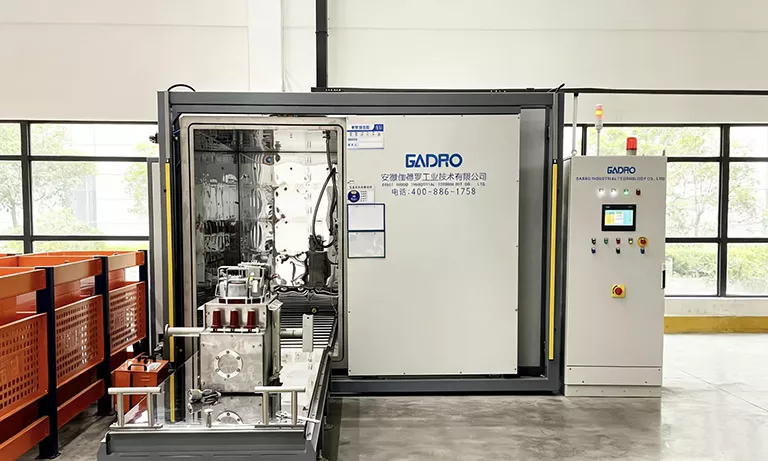
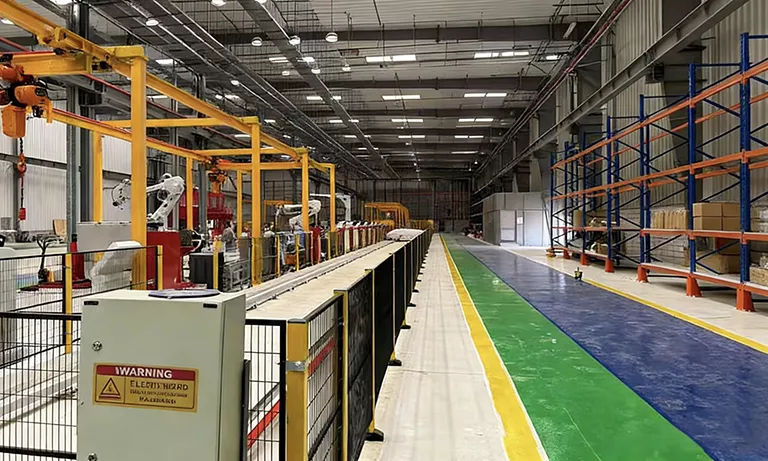
أ: نعم. تم تصميم أنظمتنا للتكامل الكامل مع خطوط الإنتاج الآلية (الاختبار المضمن)، مما يضمن أنها تلبي وقت دورة الإنتاج (وقت التاكت).
س2: هل غاز الهيليوم يشكل خطراً على عمالي؟
أ: لا، الهيليوم غاز خامل وغير سام وغير قابل للاشتعال. وهو آمن تماماً للاستخدام في البيئات الصناعية.
س3: ما مدى حساسية اختبار الهيليوم مقارنة باختبار الهواء؟
أ: اختبار الهيليوم عادة أكثر حساسية من 1000 إلى 10000 مرة أكثر من انخفاض ضغط الهواء، مما يسمح لك باكتشاف التسريبات التي قد يغفل عنها اختبار الهواء تمامًا.